
Search
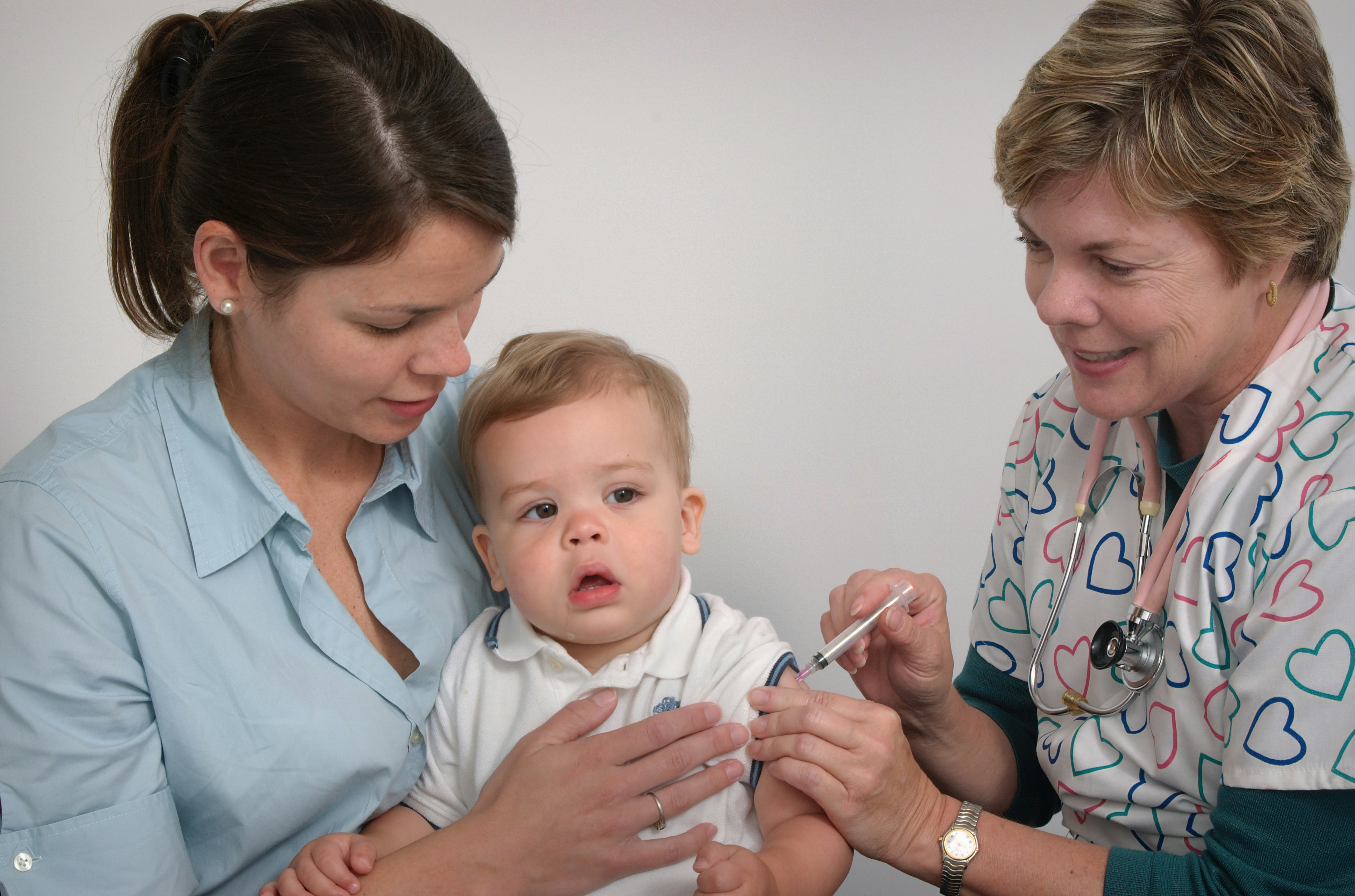
Researchers at The Kids Research Institute Australia have helped map the global impact of life saving vaccines to mark the 50-year anniversary of the Expanded Programme on Immunisation (EPI).
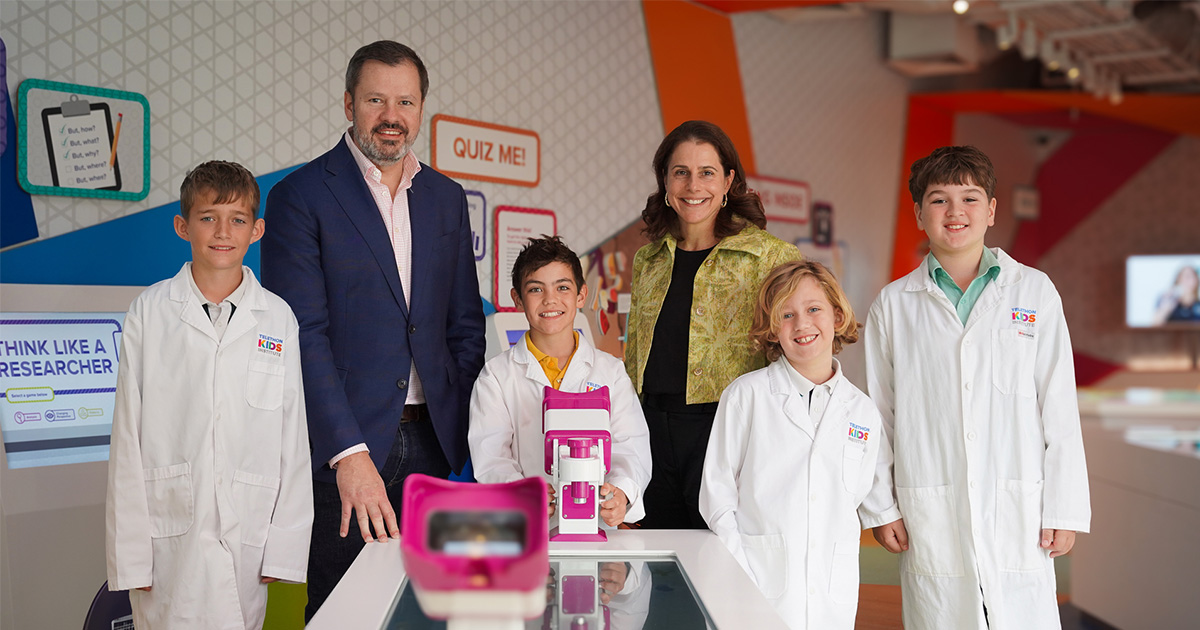
The Kids Research Institute Australia will bring science to the Kimberley for a second year in 2024 after the Federal Government today announced a $20,000 grant for the Institute to deliver the Broome STEM Festival.
Infants undergoing CSF shunting procedures face a rare complication which we propose to rename "Widespread Haemorrhages in Infants Post-Shunting" (WHIPS) to better capture this unique phenomenon specific to infants undergoing CSF diversion. Our objective is to analyse the risk factors for WHIPS development and provide a detailed neuroradiological description of these haemorrhages.
Streptococcus pneumoniae is a leading cause of pneumonia and meningitis worldwide. Many different serotypes co-circulate endemically in any one location. The extent and mechanisms of spread and vaccine-driven changes in fitness and antimicrobial resistance remain largely unquantified.
Neonatal sepsis is associated with significant mortality and morbidity. Low-middle-income countries are disproportionately affected, but late-onset sepsis still occurs in up to 20% of infants <28 weeks in high-income countries. Understanding site-specific data is vital to guide management.
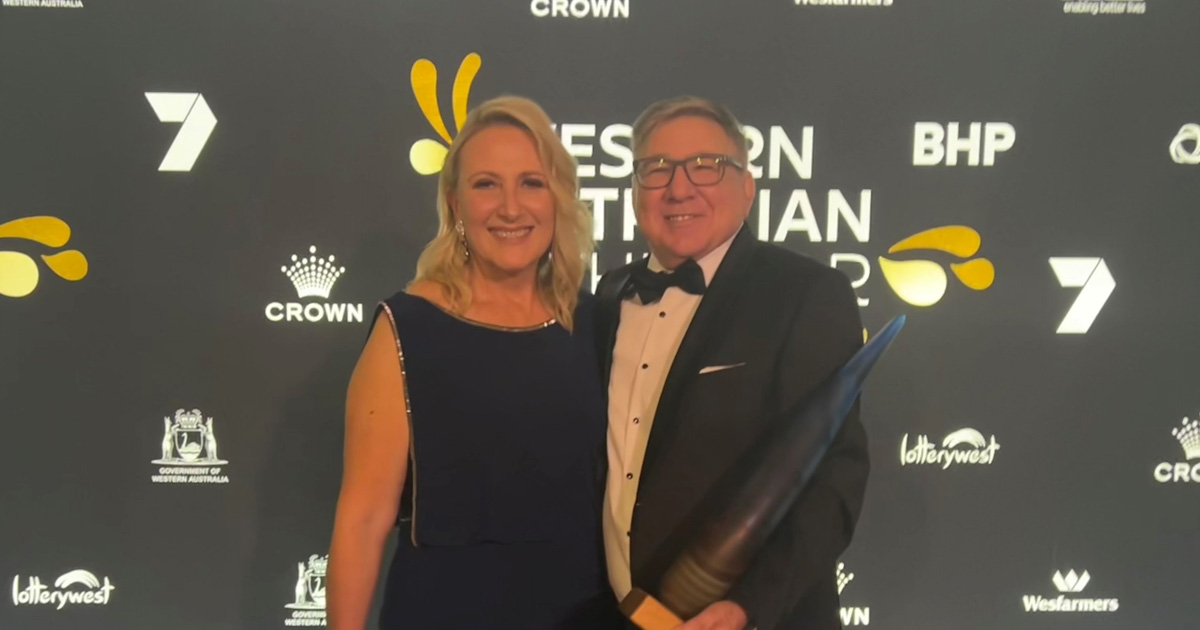
The Kids Research Institute Australia extends its warmest congratulations to health consumer champion Mitch Messer, who won the Community category at the 2024 West Australian of the Year awards last night.
We assess progress towards improved case management of childhood diarrhea in Nigeria over a period of targeted health systems reform from 2013 to 2018. Individual and community data from three Demographic and Health Survey rounds are leveraged in a geospatial model designed for stratified estimation by venue of treatment seeking and State.
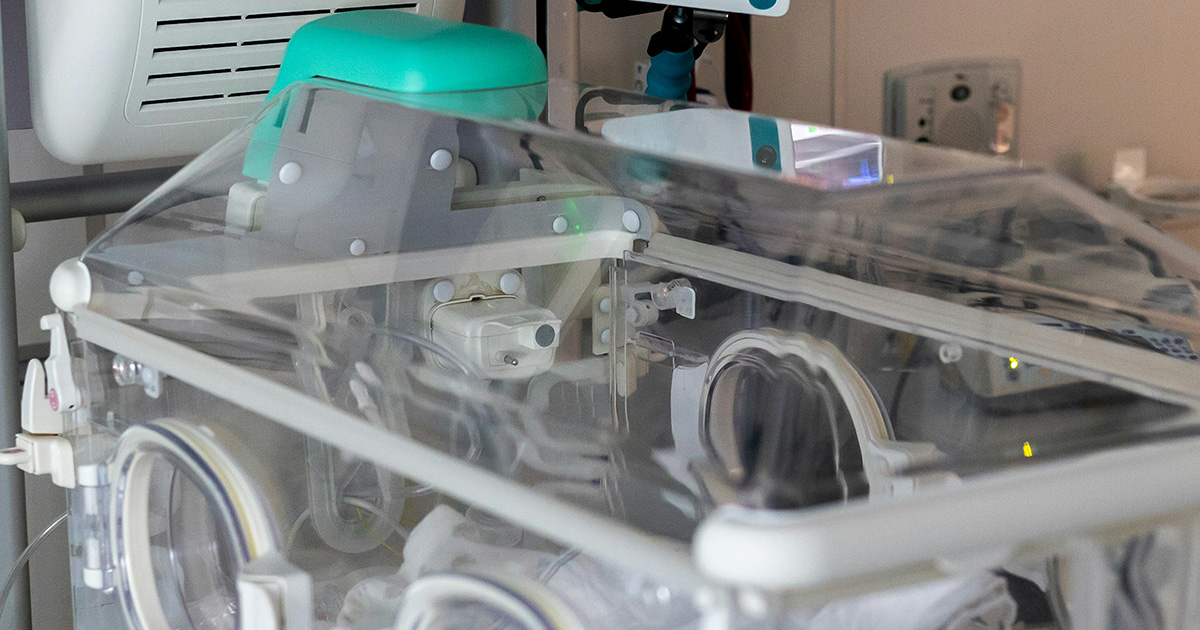
The mental health and wellbeing of new fathers whose children end up in neonatal intensive care is the focus of a new project to be led by The Kids Research Institute Australia researchers, thanks to a $388,000 grant from Healthway.
The effect of prenatal marijuana exposure on child neurodevelopment remains poorly understood. Prior studies have demonstrated inconsistent results.
Pregnancy and early infancy are increased risk periods for severe adverse effects of respiratory infections. Aboriginal and/or Torres Strait Islander (respectfully referred to as First Nations) women and children in Australia bear a disproportionately higher burden of respiratory diseases compared to non-Indigenous women and infants. Influenza vaccines and whooping cough (pertussis) vaccines are recommended and free in every Australian pregnancy to combat these infections.