
Search
Adolescent girls appear more vulnerable to experiencing mental health difficulties from social media use than boys. The presence of sexualized images online is thought to contribute, through increasing body dissatisfaction among adolescent girls.
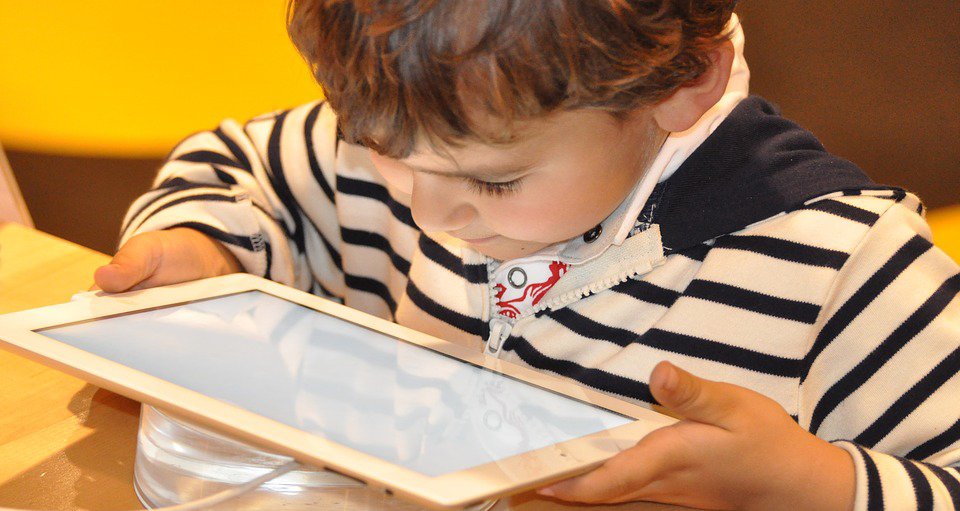
Have you ever wondered how other parents manage their kids’ device use? As part of a survey for our Cyber Savvy Project, The Kids researchers asked a group of parents for their top tips regarding their child's use of devices.
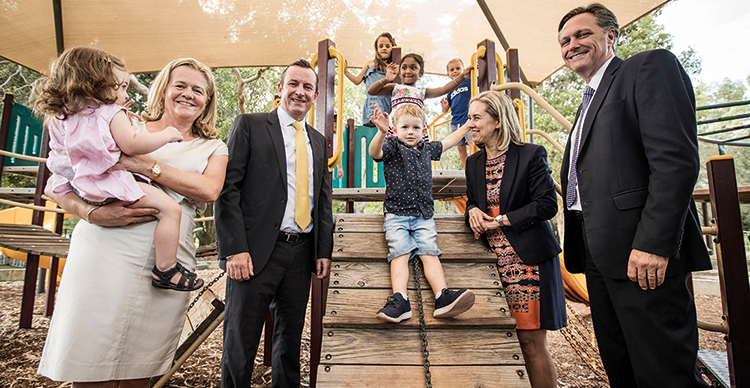
As we all know, we only get one start in life. Like the Minderoo Foundation, our partners in CoLab, we are determined to ensure that every start is a strong one for children across Australia.
Bullying is an issue that continues to represent a significant challenge to the provision of pastoral care in schools. In more recent decades, it has evolved in its complexity to include forms of bullying often referred to as cyberbullying or online bullying.
The prevalence of bullying worldwide is high (UNESCO, 2018). Over the past decades, many anti-bullying interventions have been developed to remediate this problem. However, we lack insight into for whom these interventions work and what individual intervention components drive the total intervention effects.
School toilets have been identified by sexuality and gender diverse (SGD) students as the least safe spaces in educational institutions. They are sites of verbal, physical and sexual victimisation.
This research explored adults' perceptions of how sexualized images typically found on social media might influence adolescent girls' mental health, what support girls might need should they experience mental health difficulties, and how such difficulties could be prevented or reduced.
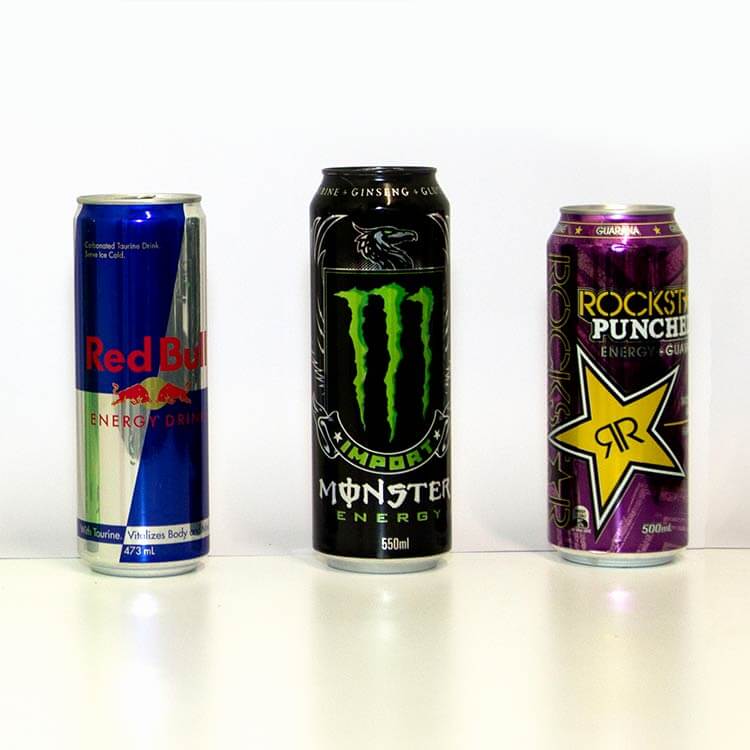
Researchers at the Telethon Kids Institute will study the health impacts of energy drinks on young people and develop guidelines for reducing consumption.
Children who are Deaf and Hard of Hearing, their parents, Teachers of the Deaf, and other community stakeholders were involved in co-designing a web-based resource to support students' social-emotional well-being.
This study aimed to estimate the prevalence of different forms of bullying victimization experiences and their association with family functioning, peer relationships and school connectedness among adolescents across 40 lower and middle income to high-income countries (LMIC-HICs).