
Search
Electronic cigarettes (e-cigarettes) lack regulatory status as therapeutic products in all jurisdictions worldwide. They are potentially unsafe consumer products, with significant evidence they pose a risk to human health. Therefore, developing rapid, economical test methods to assess the chemical composition of e-liquids in heated and unheated forms and the aerosols produced by e-cigarettes is crucial.
Electronic cigarettes (e-cigarettes) are often perceived to be safer than smoking, which has led to some women switching to e-cigarettes during pregnancy. However, the effects of switching from smoking to e-cigarettes on both pregnancy outcomes and the foetus are largely unknown. This study aimed to investigate the effects of switching from tobacco smoking to e-cigarette use in very early pregnancy on birth outcomes, neurodevelopment and behaviour of the offspring.
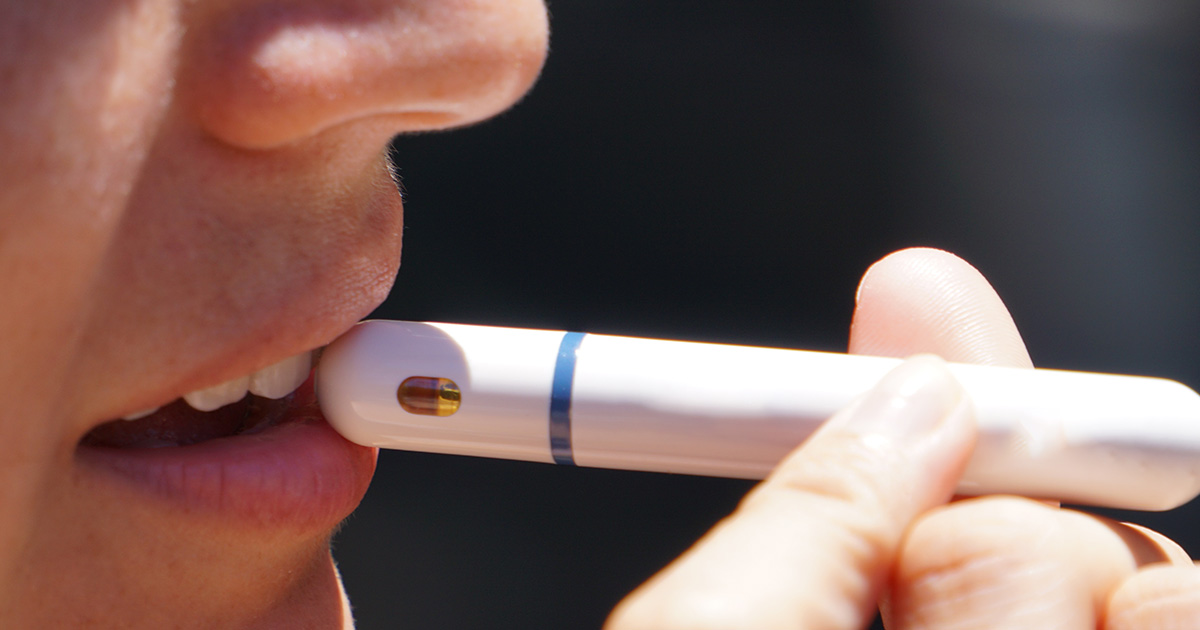
Researchers from The Kids Research Institute Australia and Cancer Council WA will team up on two projects aimed at identifying the most effective public health messaging for young people around SunSmart behaviours and how to stop vaping.

The Kids Research Institute Australia strongly supports the Federal Government’s announcement today to introduce a suite of reforms aimed at banning non-prescription vaping products in Australia.
E-cigarettes are widely perceived as a safer alternative to tobacco, and that perception often extends to their use around infants and children. Yet exhaled aerosol deposits onto indoor surfaces, leaving a residue, known as third-hand e-cigarette aerosol, that can be re-emitted, ingested, or absorbed through the skin. The developmental consequences of such exposure have been almost entirely unexplored.
Electronic cigarettes (e-cigarettes) have become a leading form of nicotine use among children and adolescents worldwide. The World Health Organization (WHO) estimates that approximately 15 million young teenagers currently use these products. Contrary to early claims regarding reduced harm, e‑cigarettes expose users to a range of toxic substances, including carcinogens and, increasingly, synthetic nicotine compounds and other psychoactive agents.