
Search
Soil-transmitted helminth (STH) infection control programs typically consist of school-based preventive chemotherapy (PC) targeted to school-aged children. STH reservoirs in untreated community members contribute to ongoing transmission in children. The CoDe-STH (Community Deworming against STH) trial, conducted in Dak Lak province, Vietnam, between October 2019 and November 2020, aimed to determine whether community-wide mass drug administration (MDA) is more effective than school-based targeted PC in reducing STH prevalence and intensity in children.
Pacific youth are at the forefront of the climate crisis, which has important implications for their health and rights. Youth in Fiji currently bear a disproportionate burden of poor experiences and outcomes related to their sexual and reproductive health and rights (SRHR). There is limited information about how the increasing climate impacts may affect their SRHR, and what the implications may be for climate action and disaster risk reduction.

Researchers have found a clear link between the acquisition or loss of a family dog and the level of physical activity undertaken by children in the family, with the impact most noticeable in girls.
Under-five mortality declined in the last two decades in Ethiopia, but sub-national and local progress remains unclear. This study aimed to investigate the spatiotemporal distributions and ecological level factors of under-five mortality in Ethiopia. Data on under-five mortality were obtained from five different Ethiopian Demographic and Health Surveys conducted in 2000, 2005, 2011, 2016, and 2019. Environmental and healthcare access data were obtained from different publicly available sources.
Access to medical treatment for fever is essential to prevent morbidity and mortality in individuals and to prevent transmission of communicable febrile illness in communities. Quantification of the rates at which treatment is accessed is critical for health system planning and a prerequisite for disease burden estimates.
To explore data availability, perceived relevance, acceptability and feasibility of implementing 52 draft indicators for adolescent health measurement in different countries globally.
Citation: Keogh SC, Guthold R, Newby H, …….. Azzopardi P, Fagan L, et al. Filling Gaps in Adolescent Health Measurement: Taking Stock of Progress and
To improve adolescent health measurement, the Global Action for the Measurement of Adolescent health (GAMA) Advisory Group was formed in 2018 and published a draft list of 52 indicators across six adolescent health domains in 2022. We describe the process and results of selecting the adolescent health indicators recommended by GAMA (hereafter, “GAMA-recommended indicators”).
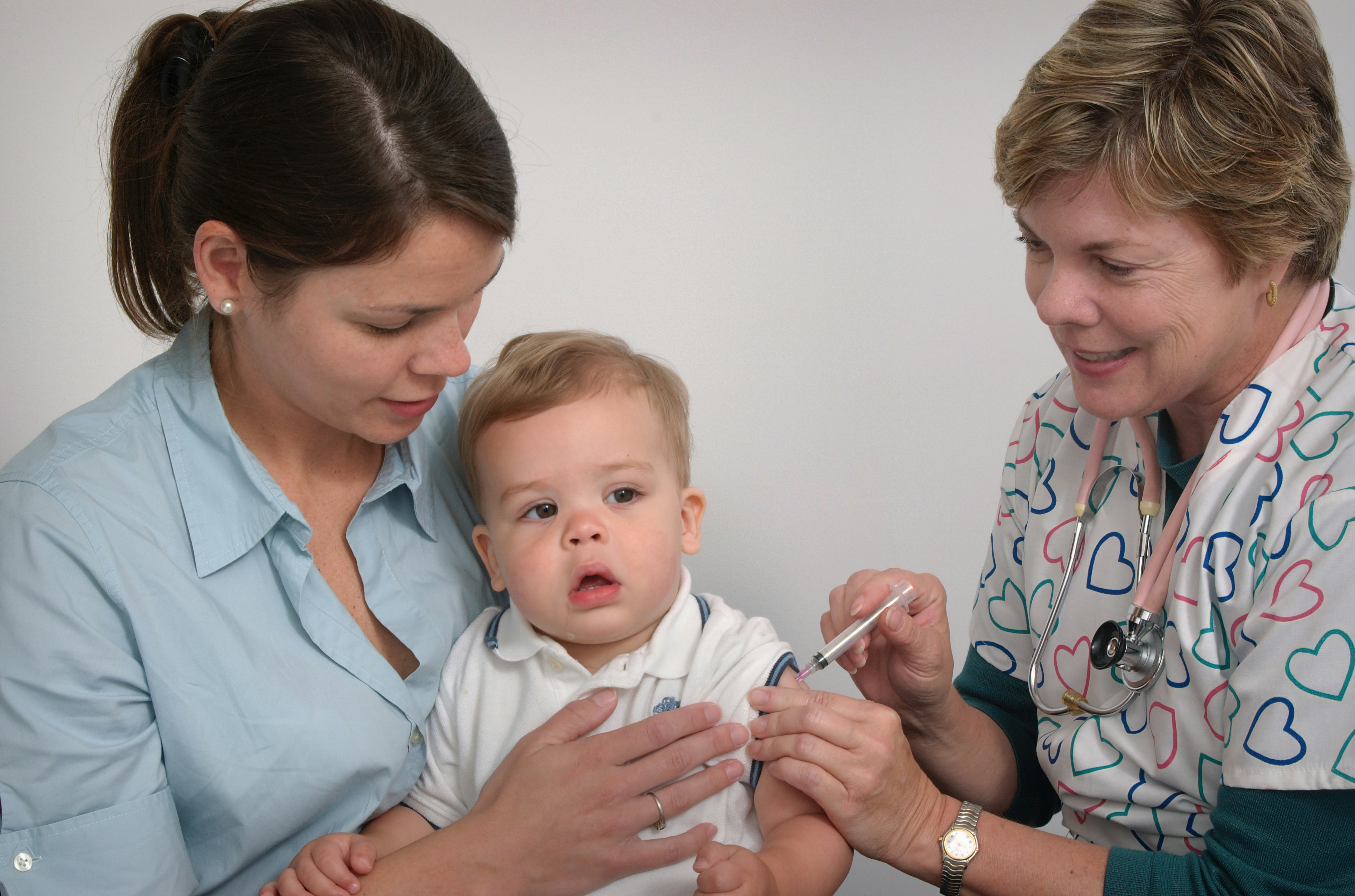
Researchers at The Kids Research Institute Australia have helped map the global impact of life saving vaccines to mark the 50-year anniversary of the Expanded Programme on Immunisation (EPI).

The Kids Research Institute Australia will bring science to the Kimberley for a second year in 2024 after the Federal Government today announced a $20,000 grant for the Institute to deliver the Broome STEM Festival.