
Search
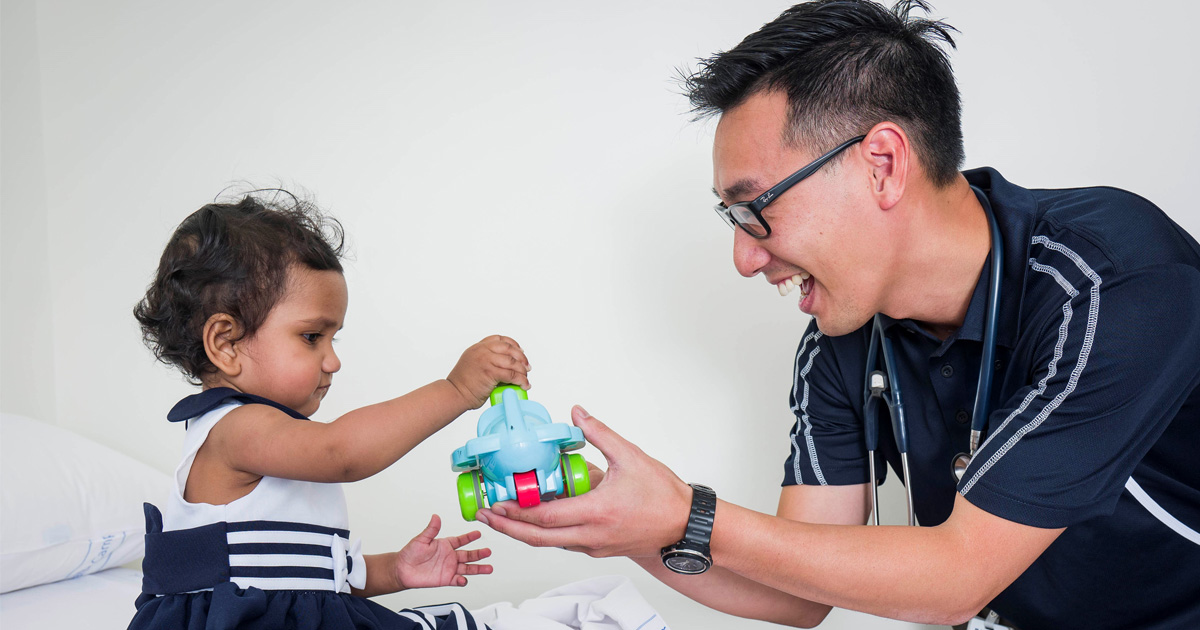
A third of Western Australian one-year-olds and up to two thirds of three-year-olds have low iron, a study by The Kids Research Institute Australia has found.

ORIGINS sub-project, The Flourishing Child, has received a $746,051 grant from the Medical Research Future Fund to develop a Flourishing Assessment and Pathway Tool to address gaps in early intervention for children's mental health.
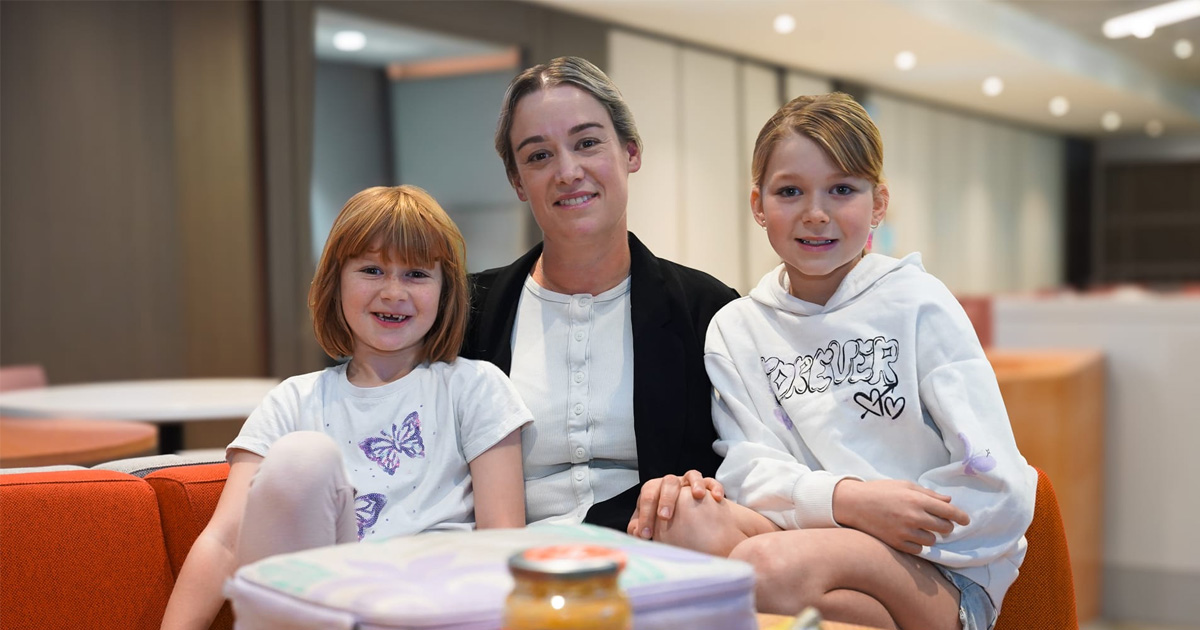
Families who introduce peanut butter and eggs to their baby’s diet at around six months of age can significantly reduce the chances of them developing a life-threatening allergy, according to a new study published in the Journal of Allergy and Clinical Immunology – In Practice.
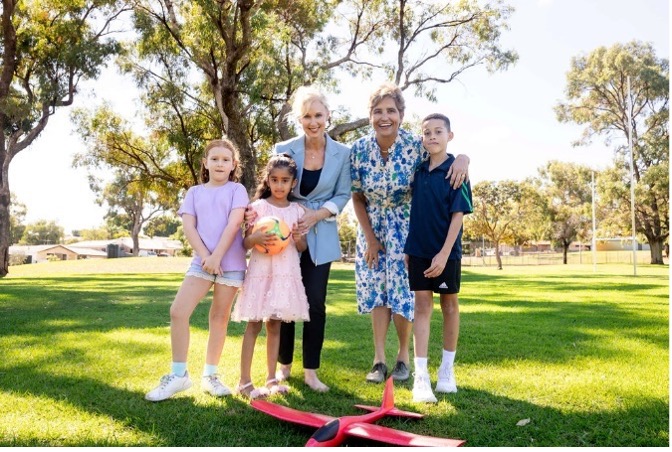
ORIGINS is celebrating a substantial funding increase for its world-class research into child and family health and wellbeing.
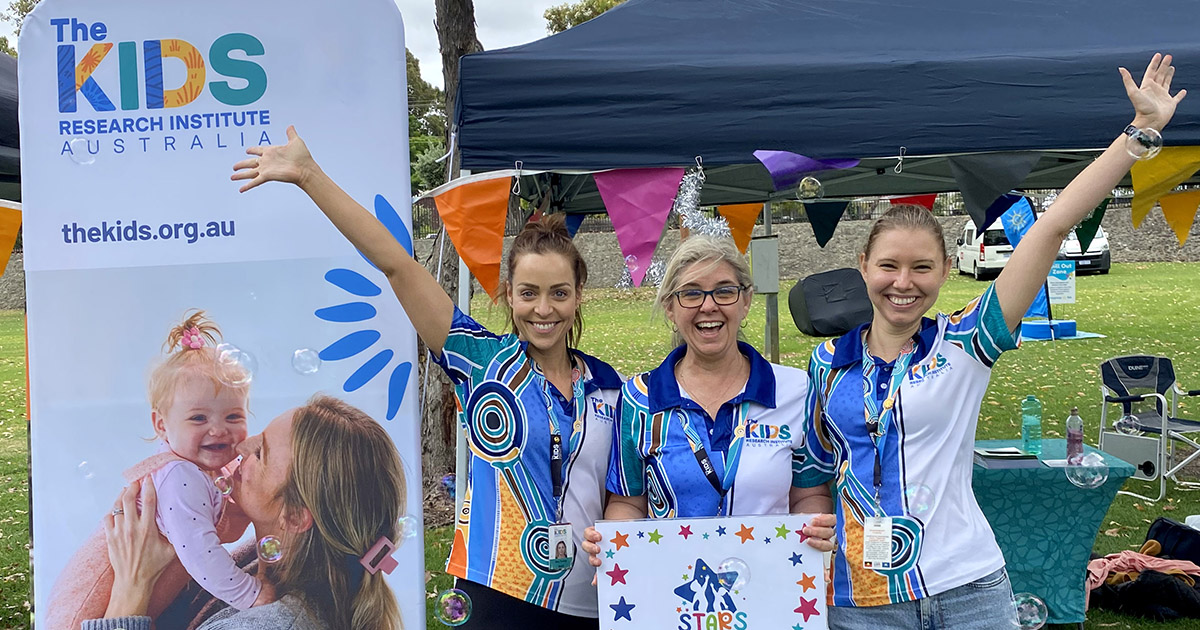
STARS for Kids, a sub-project of ORIGINS, received a three-year grant to advance the development of a scalable, online, tiered model of care to better support disadvantaged communities, where 20-25 per cent of children are entering school developmentally vulnerable.
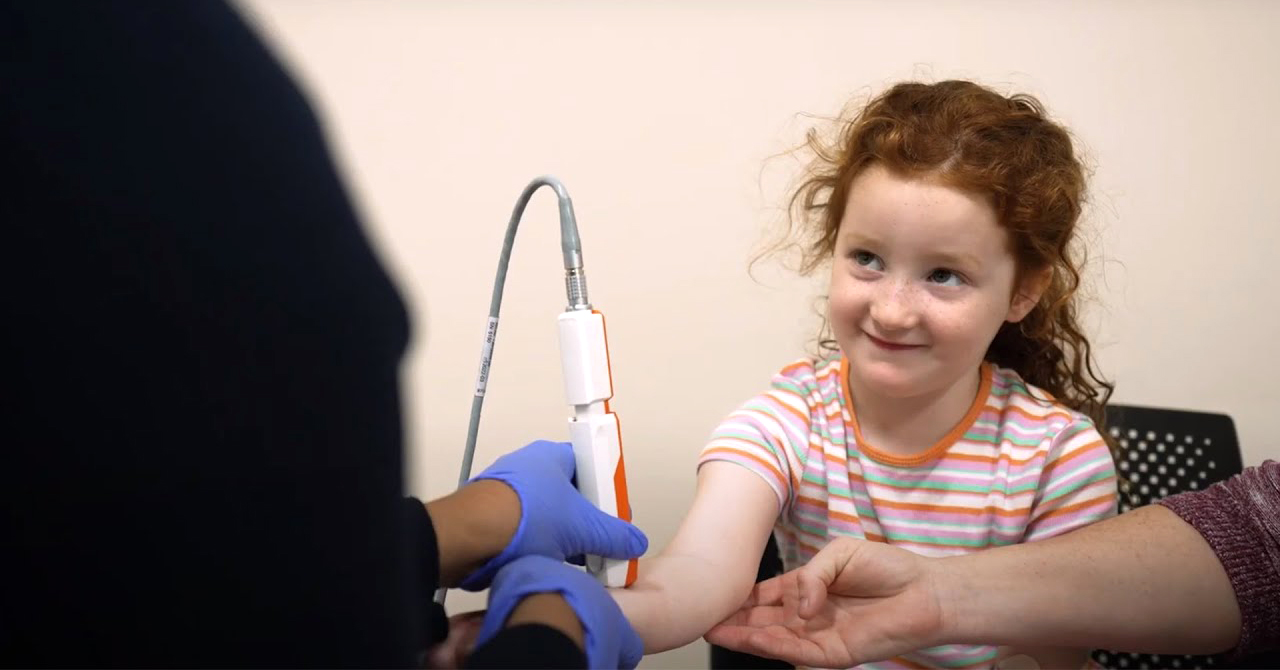
Australia’s largest longitudinal birth cohort study of its kind – ORIGINS – has reached a major milestone with the launch of its 8-Year Kids' Checks, marking the study’s transition into the primary school years.
Iron deficiency (ID) is the most common nutritional deficiency affecting young children. Serum ferritin concentration is the preferred biomarker for measuring iron status because it reflects iron stores; however, blood collection can be distressing for young children and can be logistically difficult. A noninvasive means to measure iron status would be attractive to either diagnose or screen for ID in young children.
A significant number of babies present transiently with low protein kinase C zeta (PKCζ) levels in cord blood T cells, associated with reduced ability to transition from a neonatal Th2 to a mature Th1 cytokine bias, leading to a higher risk of developing allergic sensitisation, compared to neonates whose T cells have 'normal' PKCζ levels. However, the importance of PKCζ signalling in regulating their differentiation from a Th2 to a Th1 cytokine phenotype propensity remains undefined.
This study explores how the first wave of the COVID‐19 pandemic influenced family routines, relationships and technology use (smartphones and tablet computers) among families with infants. Infancy is known to be an important period for attachment security and future child development, and a time of being susceptible to changes within and outside of the family unit.
Bold new approaches are urgently needed to overcome global health challenges. The proposed Advanced Research Projects Agency for Health (ARPA-H) is intended to provide rapid health breakthroughs.