
Search
This chapter outlines the concept of ‘justice capital’. It commences with a discussion of the impacts of colonization on Indigenous people in Australia, with a particular focus on Indigenous children placed in state care systems.
While benefits of involving consumers in research are well established, bereaved parents face unique challenges, and descriptions of their experiences with co-designed stillbirth research are lacking. The collective experience of ‘Project Engage’ involved co-designing resources to support bereaved parents’ involvement in research.
People living with rare diseases had a high risk of negative health outcomes due to COVID-19. Pandemic preparedness will ensure best practice procedures and optimal outcomes during future pandemic events. This paper sought to understand the needs of children with rare diseases during the COVID-19 pandemic to inform preparation for future pandemic and disaster events. First, impacts and outcomes from the COVID-19 pandemic on people living with rare disease were identified in the literature.
Substantial progress in adolescent health research has been made over recent decades, but important knowledge gaps remain.
We are working with the leadership and staff at foster care agencies and community members to provide information about cultural connection, and cultural activity and resources for Aboriginal children living in non-Aboriginal care arrangements.
Citation: Bailey HD. Exploring Exclusive Breastfeeding and Childhood Cancer Using Linked Data. JAMA Netw Open. 2024;7(3):e243075 Keywords:

Director of First Nations Strategy and Leadership; Head, First Nations Health and Equity Research
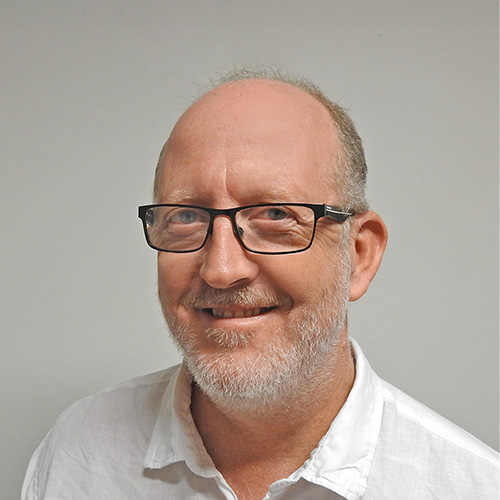
Honorary Research Associate

Two research teams, led by The Kids Research Institute Australia, have been awarded more than $2 million to fund innovative projects.
Carrington Fiona Shepherd Stanley PhD FAA FASSA MSc MD FFPHM FAFPHM FRACP FRANZCOG HonDSc HonDUniv HonFRACGP HonMD HonFRCPCH HonLLB (honoris causa)