
Search
Birth order effects have been linked to variability in intelligence, educational attainment and sexual orientation. First- and later-born children have been linked to an increased likelihood of an Autism Spectrum Disorder (ASD) diagnosis, with a smaller body of evidence implicating decreases in cognitive functioning with increased birth order. The present study investigated the potential association between birth order and ASD diagnostic phenotypes in a large and representative population sample.
Social media allows users to connect with others’ experiences and points of view, with TikTok being the fastest-growing platform worldwide. Highly viewed videos related to neurodiversity on TikTok have an increasing role in understanding and acceptance of neurodivergent individuals.
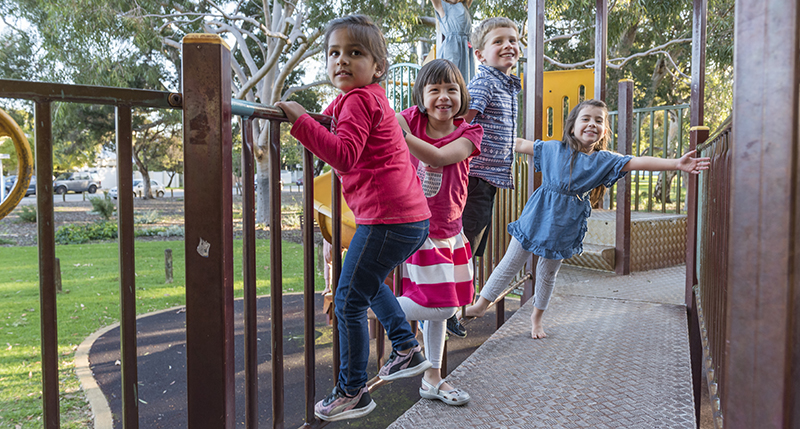
On International Day for People with Disability this Sunday, The Kids Research Institute Australia celebrates the children and families we work with in our research, as we strive for better outcomes for kids with disability.
Characterised by varying degrees of difficulties in communication skills and social abilities, one in every 100 individuals will have a diagnosis of an autism spectrum condition. While autism is known to run in families, the exact causes remain unknown.
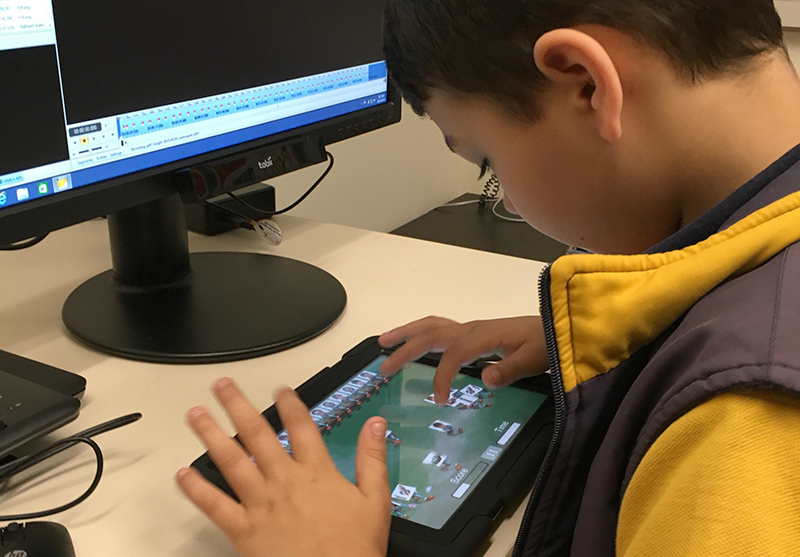
Researchers at The Kids Research Institute Australia and University of Western Australia have recently published data describing the use of an attention training game designed for school-aged children diagnosed with autism spectrum disorder (ASD).
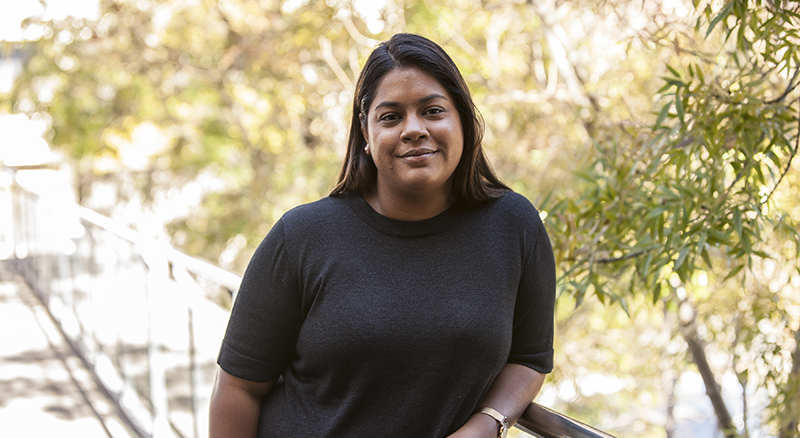
Autism researchers from The Kids Research Institute Australia have called for the term ‘high functioning autism’ to be abandoned because of the misleading and potentially harmful expectations it creates around the abilities of children on the autism spectrum.
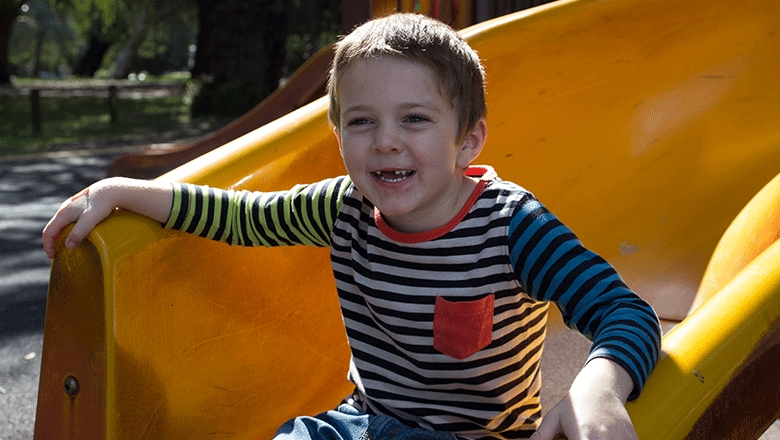
The Kids Research Institute Australia research has shown nearly 50 per cent of children with autism have tried fish oil supplements, but does it actually improve symptoms?
Individuals exhibiting pronounced autistic traits (e.g., social differences and specialised interests) may struggle with cognitive empathy (i.e., the ability to infer others' emotions), although the relationship with affective empathy (i.e., the ability to share others' emotions) is less clear in that higher levels of autistic traits may be linked with increased affective empathy for negative emotions but reduced affective empathy for positive emotions. The current study investigates this empathy profile and whether alexithymia and emotion dysregulation help to explain it.
We tested the potential for Gazefinder eye-tracking to support early autism identification, including feasible use with infants, and preliminary concurrent validity of trial-level gaze data against clinical assessment scores. We embedded the ~ 2-min 'Scene 1S4' protocol within a comprehensive clinical assessment for 54 consecutively-referred, clinically-indicated infants (prematurity-corrected age 9-14 months).
Clinical decision support systems (CDSS) are increasingly utilised within healthcare settings to enhance decision making. However, few studies have investigated their application in the context of clinical services for autistic people, with no research to date exploring the perspectives of the key stakeholders who are, or in the future may be, impacted by their use.