Skip to content

Search

Web-Based Self-Compassion Training to Improve the Well-Being of Youth With Chronic Medical Conditions: Randomized Controlled Trial

Up to one-third of young people live with chronic physical conditions (eg, diabetes, asthma, and autoimmune disease) that frequently involve recurrent pain, fatigue, activity limitations, stigma, and isolation.

Respiratory Health Effects of In Vivo Sub-Chronic Diesel and Biodiesel Exhaust Exposure

Biodiesel, which can be made from a variety of natural oils, is currently promoted as a sustainable, healthier replacement for commercial mineral diesel despite little experimental data supporting this. The aim of our research was to investigate the health impacts of exposure to exhaust generated by the combustion of diesel and two different biodiesels.

Thoracic Society of Australia and New Zealand (TSANZ) position statement on chronic suppurative lung disease and bronchiectasis in children, adolescents and adults in Australia and New Zealand

This position statement, updated from the 2015 guidelines for managing Australian and New Zealand children/adolescents and adults with chronic suppurative lung disease (CSLD) and bronchiectasis, resulted from systematic literature searches by a multi-disciplinary team that included consumers.

Distribution, composition, and activity of airway-associated adipose tissue in the porcine lung

Patients with comorbid asthma-obesity experience greater disease severity and are less responsive to therapy. We have previously reported adipose tissue within the airway wall that positively correlated with body mass index. Accumulation of biologically active adipose tissue may result in the local release of adipokines and disrupt large and small airway function depending on its anatomical distribution. This study therefore characterized airway-associated adipose tissue distribution, lipid composition, and adipokine activity in a porcine model.

From Beneath the Skin to the Airway Wall: Understanding the Pathological Role of Adipose Tissue in Comorbid Asthma-Obesity

This article provides a contemporary report on the role of adipose tissue in respiratory dysfunction. Adipose tissue is distributed throughout the body, accumulating beneath the skin (subcutaneous), around organs (visceral), and importantly in the context of respiratory disease, has recently been shown to accumulate within the airway wall: "airway-associated adipose tissue." Excessive adipose tissue deposition compromises respiratory function and increases the severity of diseases such as asthma.

Airway and parenchyma transcriptomics in a house dust mite model of experimental asthma

Lung transcriptomics studies in asthma have provided valuable information in the whole lung context, however, deciphering the individual contributions of the airway and parenchyma in disease pathogenesis may expedite the development of novel targeted treatment strategies. In this study, we performed transcriptomics on the airway and parenchyma using a house dust mite (HDM)-induced model of experimental asthma that replicates key features of the human disease.

ORIGINS Project shines light on Early Childhood Development

A collaboration between The Kids Research Institute Australia and Joondalup Health Campus is poised to be a game-changer for early childhood development.
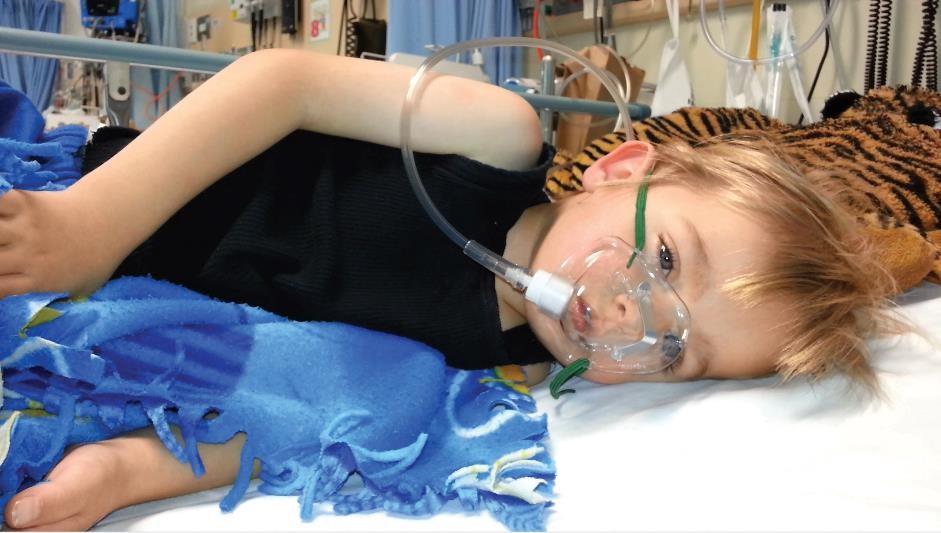
Association between pertussis vaccination in infancy and childhood asthma: A population-based record linkage cohort study

Asthma is among the commonest noncommunicable diseases of childhood and often occurs with other atopic comorbidities. A previous case-control study found evidence that compared to children who received acellular pertussis (aP) vaccines in early infancy, children who received one or more doses of whole-cell pertussis (wP) vaccine had lower risk of developing IgE-mediated food allergy. We hypothesized that wP vaccination in early infancy might protect against atopic asthma in childhood. 

Editorial: The relationship between puberty and immune-driven disease

The way the immune system operates differs between males and females. This is due to both differential expression of immune-related genes from the sex chromosomes as well as the immune modulatory properties of sex hormones. Together, these effects contribute to a skewed prevalence of disease and disease course between males and females, including allergic-, infectious-, autoimmune-, and cancerous disease.

LPS binding protein and activation signatures are upregulated during asthma exacerbations in children

Asthma exacerbations in children are associated with respiratory viral infection and atopy, resulting in systemic immune activation and infiltration of immune cells into the airways. The gene networks driving the immune activation and subsequent migration of immune cells into the airways remains incompletely understood. Cellular and molecular profiling of PBMC was employed on paired samples obtained from atopic asthmatic children during acute virus-associated exacerbations and later during convalescence.