
Search
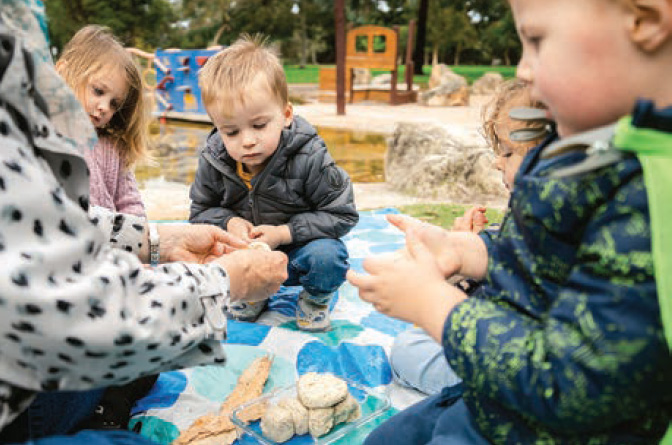
The ORIGINS Project is a decade-long longitudinal study of more than 18,000 individuals including mothers, partners and children, as part of a collaboration between The Kids Research Institute Australia and Joondalup Health Campus.

New dads can feel undervalued and face significant health and mental health risks following the birth of a child, according to new research that has prompted a rethink about how to address the often-unmet needs of fathers.
Global food systems are a central issue for personal and planetary health in the Anthropocene. One aspect of major concern is the dramatic global spread of ultra-processed convenience foods in the last 75 years, which is linked with the rising human burden of disease and growing sustainability and environmental health challenges.
Psychological distress in the early postpartum period can have long-lasting deleterious effects on a mother's well-being and negatively affect her infant's development. Intervention approaches based in contemplative practices such as mindfulness and loving-kindness and compassion are intended to alleviate distress and cultivate well-being and can be delivered effectively as digital mental health interventions.
Evidence suggests consumption of a Mediterranean diet (MD) can positively impact both maternal and offspring health, potentially mediated by a beneficial effect on inflammatory pathways. We aimed to apply metabolic profiling of serum and urine samples to assess differences between women who were stratified into high and low alignment to a MD throughout pregnancy and investigate the relationship of the diet to inflammatory markers.
Steve Desiree Zubrick Silva FASSA, FAAMHS, MSc AM PhD MBBS, FRACP, MPH, PhD Honorary Emeritus Research Fellow Co-Director, ORIGINS 08 6319 1409
Complementary feeding induces dramatic ecological shifts in the infant gut microbiota toward more diverse compositions and functional metabolic capacities, with potential implications for immune and metabolic health. The aim of this study was to examine whether the age at which solid foods are introduced differentially affects the microbiota in predominantly breastfed infants compared with predominantly formula-fed infants.
Maternal diet during pregnancy has long been recognised as an important determinant of neonatal outcomes and child development. Infant body composition is a potentially modifiable risk factor for predicting future health and metabolic disease.
Tele-dentistry can be useful to facilitate screening of children, especially those living in rural and remote communities, and during the COVID-19 pandemic. This study evaluated the feasibility of tele-dental screening for the identification of early childhood caries (ECC) in preschoolers using an app operated by their parents with remote review by oral-health therapists.
Childhood is a critical period of immune development. During this time, naïve CD4 T cells undergo programmed cell differentiation, mediated by epigenetic changes, in response to external stimuli leading to a baseline homeostatic state that may determine lifelong disease risk. However, the ontogeny of epigenetic signatures associated with CD4 T cell activation during key developmental periods are yet to be described.