
Search
This study compared regional differences in the prevalence of rheumatic heart disease in Indigenous Australian children, and describes the logistical and...
This paper discusses the role of psychology in Australia and the negative impact that certain disciplinary theories and practices have had on Aboriginal and...
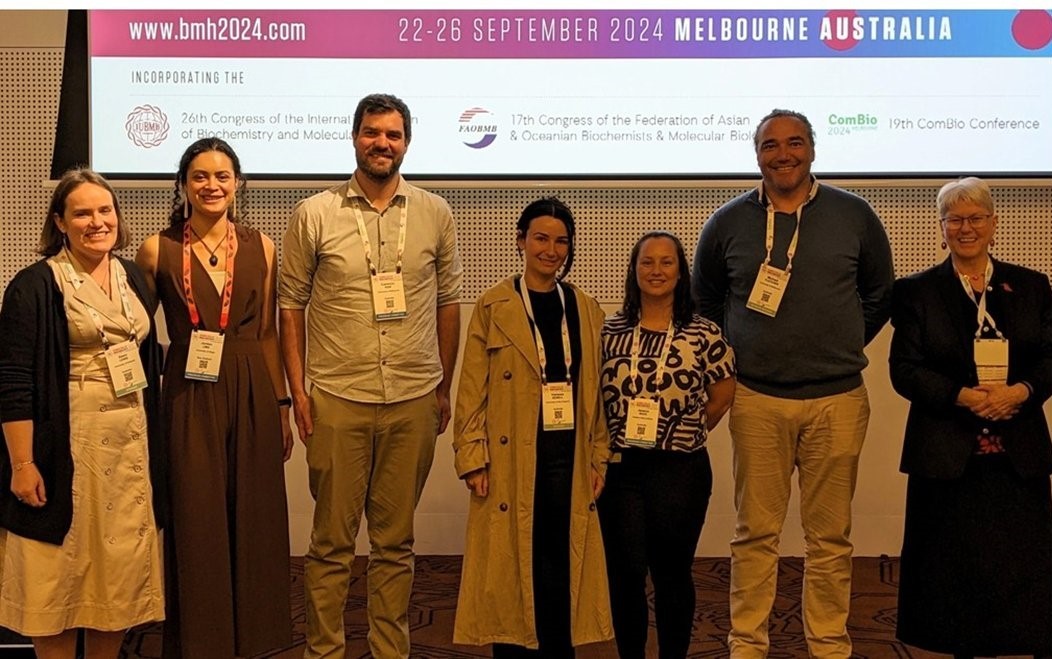
Dr Jessica Buck, a researcher at The Kids Research Institute Australia Cancer Centre and a Kamilaroi woman, is on a mission to address the unique challenges faced by Aboriginal and Torres Strait Islander children with cancer.
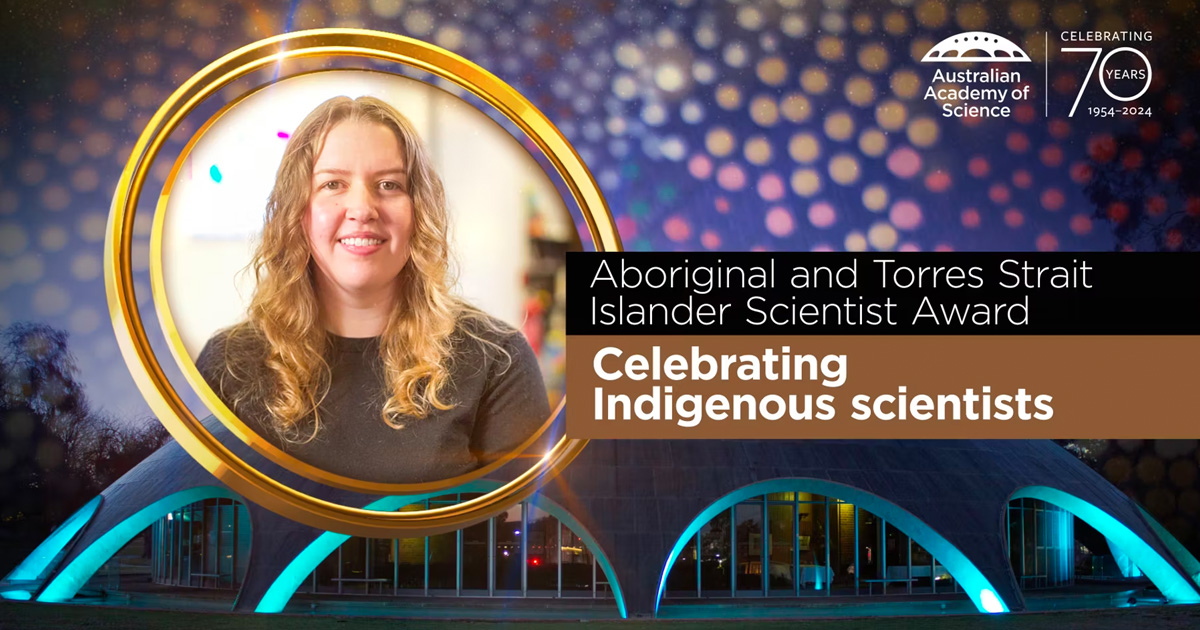
Congratulations to Indigenous genomics researcher Dr Justine Clark, who is one of two scientists nationally to receive the Australian Academy of Science’s 2024 Aboriginal and Torres Strait Islander Science Award.
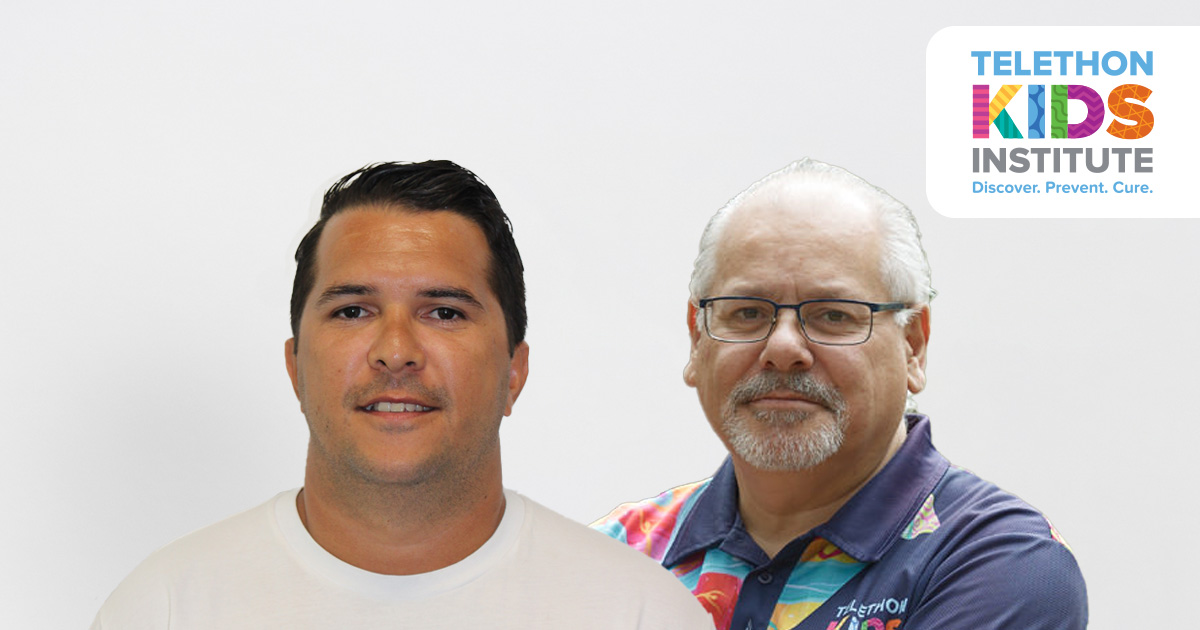
The Kids Research Institute Australia has welcomed the establishment of an expert committee to guide decision-making around Aboriginal health and medical research in Western Australia.

A national alliance of the brightest minds in genomic science, academia, policy makers, industry and Indigenous leaders will work to break down barriers to ensure Aboriginal and Torres Strait Islander people can benefit from advances in genomic medicine if they choose.
The Kids Research Institute Australia gives its full support for a First Nations Voice to Parliament to be enshrined in Australia’s constitution.
The project will focus on improving cultural safety in mental health services for Aboriginal and Torres Strait Islander children and young people.
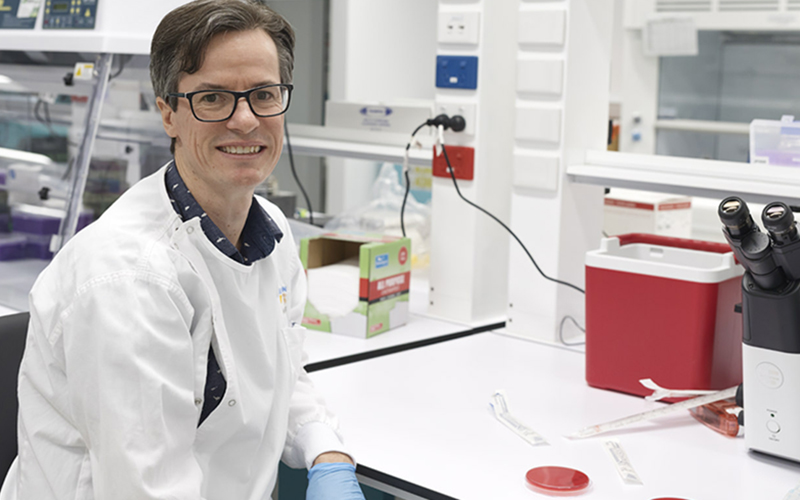
A rapid test to detect antibiotic-resistant skin infections in Aboriginal children could be a step closer, thanks to support from the FHRIF.
Research projects sharing in a $2.1 million funding boost will seek to translate research findings into changes that benefit patients and help the health system run more efficiently.