
Search
The lack of robust neuroanatomical markers of psychosis risk has been traditionally attributed to heterogeneity. A complementary hypothesis is that variation in neuroanatomical measures in individuals at psychosis risk may be nested within the range observed in healthy individuals.
Parenting is a rewarding experience but is not without its challenges. Parents of Autistic children face additional challenges, and as a result can experience lower levels of wellbeing and more mental health problems (i.e., depression, anxiety, stress). Previous studies have identified concurrent correlates of wellbeing and mental health.
The Act Belong Commit® mental health promotion campaign aims to improve population mental well-being. Based on a social-franchising model, partnerships are sought with organizations offering 'mentally healthy activities' that foster social connectedness and mental well-being. There are four categories of partner organizations sought: Site (government agencies and health services), Associate (organizations with state-wide or national services), Community (local, grass-roots community groups) and Schools.
People with intellectual disabilities living in group homes often have complex health needs, are high health service users and need support from their service provider to access health services. In Australia, little is known about the types and amounts of these supports.
Globally, Indigenous people have a greater incidence and earlier onset of diabetes than the general population and have higher documented rates of emotional distress and mental illness. This systematic review will provide a synthesis and critical appraisal of the evidence focused on the social and emotional well-being of Indigenous peoples living with diabetes, including prevalence, impact, moderators, and the efficacy of interventions.
We evaluated the relationship of serum clozapine and N-desmethyl clozapine and their ratio and cognition among people with treatment-resistant schizophrenia, an area that has been sub-optimally researched.
Influenza and COVID-19 vaccine uptake among pregnant women is sub-optimal. We assessed the effectiveness of a multi-component behavioural nudge intervention to improve COVID-19 and influenza vaccine uptake among pregnant women.
The vast and growing challenges for human health and all life on Earth require urgent and deep structural changes to the way in which we live. Broken relationships with nature are at the core of both the modern health crisis and the erosion of planetary health. A declining connection to nature has been implicated in the exploitative attitudes that underpin the degradation of both physical and social environments and almost all aspects of personal physical, mental, and spiritual health.
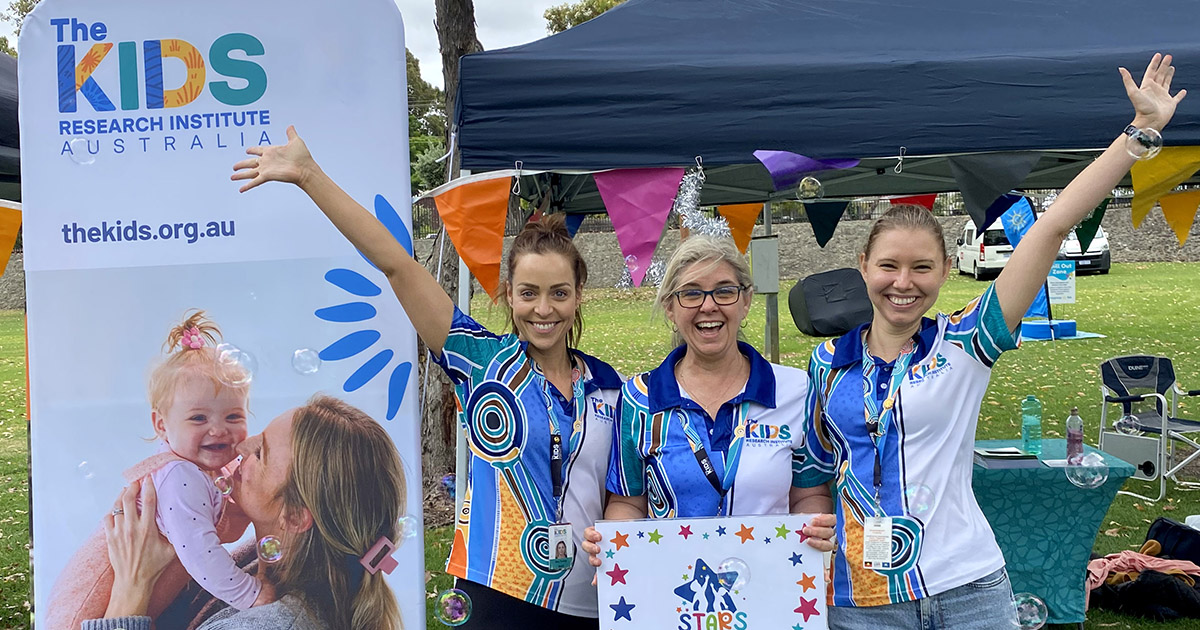
STARS for Kids, a sub-project of ORIGINS, received a three-year grant to advance the development of a scalable, online, tiered model of care to better support disadvantaged communities, where 20-25 per cent of children are entering school developmentally vulnerable.
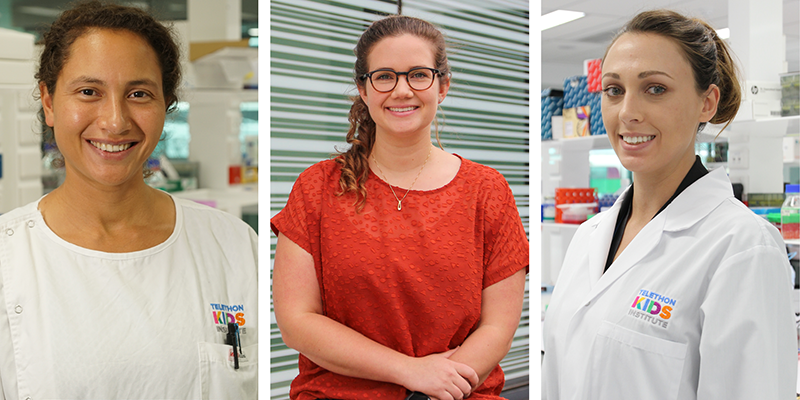
Three outstanding young researchers from The Kids Research Institute Australia have been named Raine Fellows and received valuable Raine Priming Grants to support their child health research.