
Search
Nontypeable Haemophilus influenzae (NTHi) is a major otitis media (OM) pathogen, with colonization a prerequisite for disease development. Most acute OM is in children <5 years old, with recurrent and chronic OM impacting hearing and learning. Therapies to prevent NTHi colonization and/or disease are needed, especially for young children. Respiratory viruses are implicated in driving the development of bacterial OM in children.
Otitis media has a high prevalence in childhood, and grommet insertion is the most common surgical treatment for OM. The public health system in Australia faces considerable strains, including high demand for Ear, Nose and Throat specialists. Extending the scope of practice for audiologists to manage post-operative care for children receiving grommets has the potential to alleviate this burden.
Tonsillectomy and adenoidectomy are two of the most commonly performed ENT procedures in children, with over 500,000 cases performed annually in the United States. Whilst generally considered a safe and well-tolerated operation, it is not without its risks and complications including pain, nausea, anorexia and most importantly bleeding and post-tonsillectomy haemorrhage.
Otitis media (OM), middle ear infection, represents a significant burden on children, their families, and the healthcare system. OM is the major cause of hearing loss in children and if left untreated in children who suffer chronic and recurrent forms of OM, this disease can have serious life-long sequelae.
Haemophilus haemolyticus is often incorrectly categorized as nontypeable Haemophilus influenzae (NTHI) upon culture. PCR analyses of 266 NTHI-like nasopharyngea
Demonstrate mucosal bacterial infection in children with otitis media with effusion (OME).

Honorary Emeritus Fellow

Program Manager
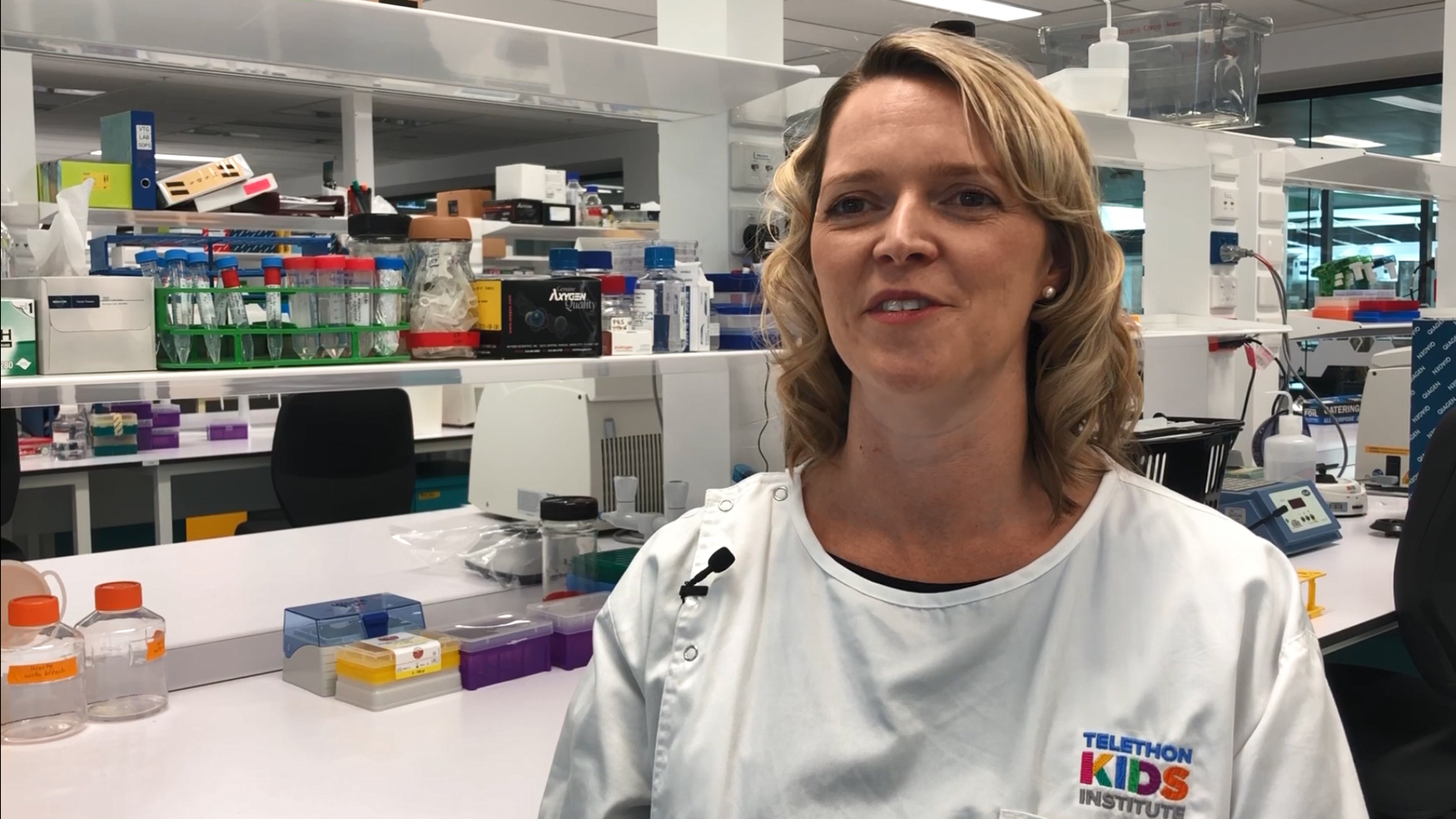
A nasal spray that could potentially prevent childhood ear infections and reduce antibiotic use is a step closer to clinical trials thanks to a $500,000 CUREator grant.

News you can use - Travelling with an ear infection