
Search
Globally, Indigenous peoples have incurred significant harm due to colonisation of their lands. Dispossession of culture, language, family and land, and the historical, systematic removal of children in Australia (the ‘Stolen Generation’), has resulted in evident ongoing negative outcomes in the contemporary lives of Aboriginal and Torres Strait Islander people.
Dissociative symptoms are linked to experiences of trauma, often originating in childhood and adolescence. Dissociative disorders are associated with a high burden of illness and a poor quality of life. Despite evidence suggesting that early intervention can improve outcomes, little research exists on the treatment of dissociative disorders in childhood and adolescence.
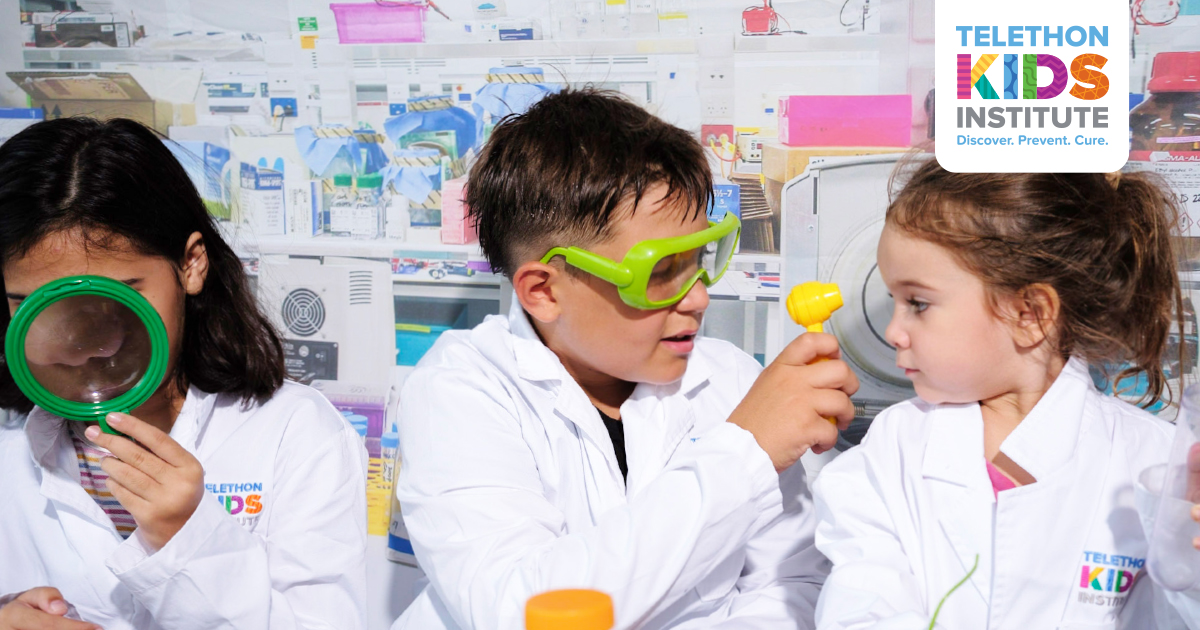
The Kids Research Institute Australia is bringing science to the Kimberley, with a series of free activities for children and families in Broome in the leadup to National Science Week.
Little is known about how or when language and visuospatial processing lateralise in the brain, and if individual differences in lateralisation are related to early language or visuospatial abilities. We explored if patterns of language and visuospatial lateralisation are related to cognitive skills in young children.
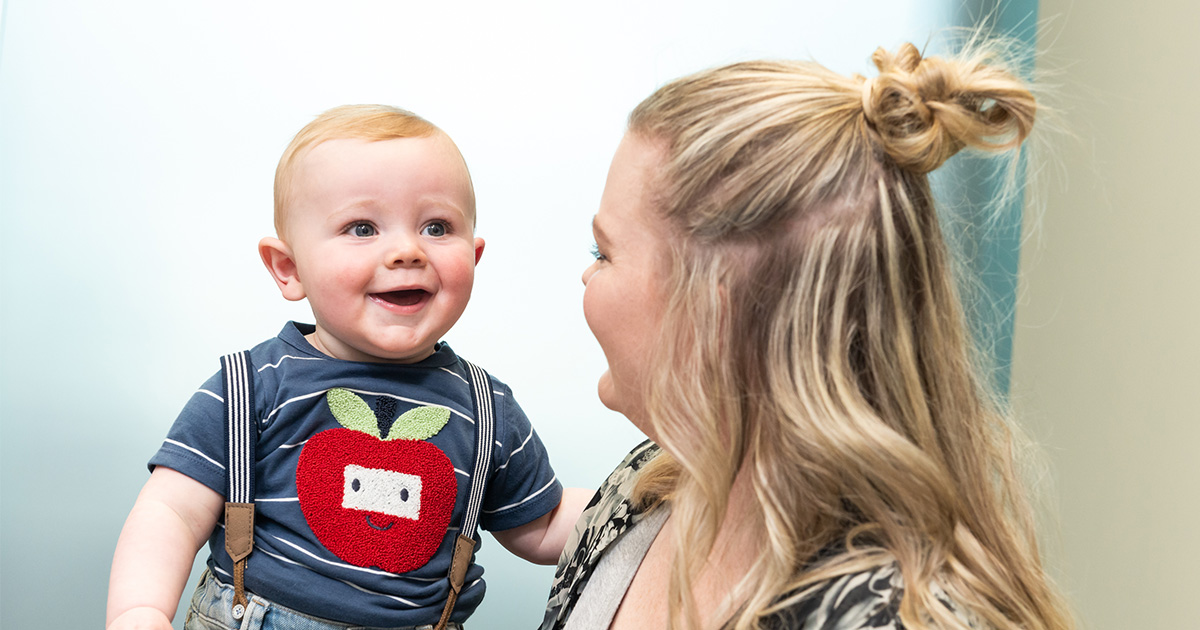
A world-first program for babies with delays in their social and communication skills has been launched in Western Australia, thanks to support from the National Disability Insurance Agency (NDIA).
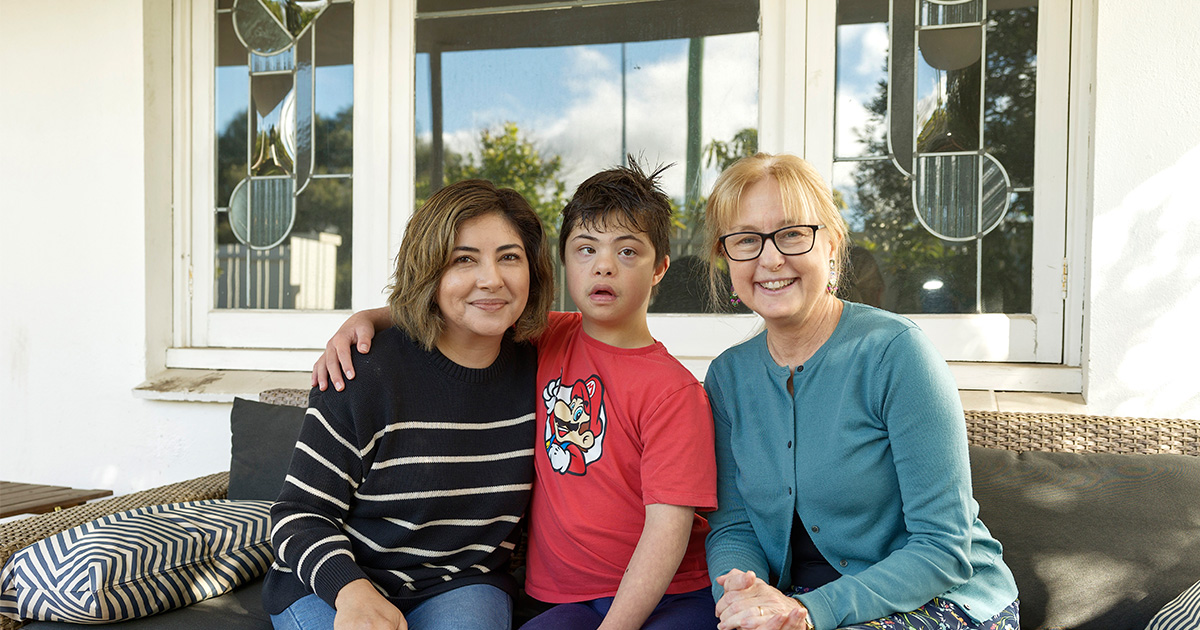
Today, on World Down Syndrome Day, we celebrate the lives, achievements, and invaluable contributions of people with Down syndrome.
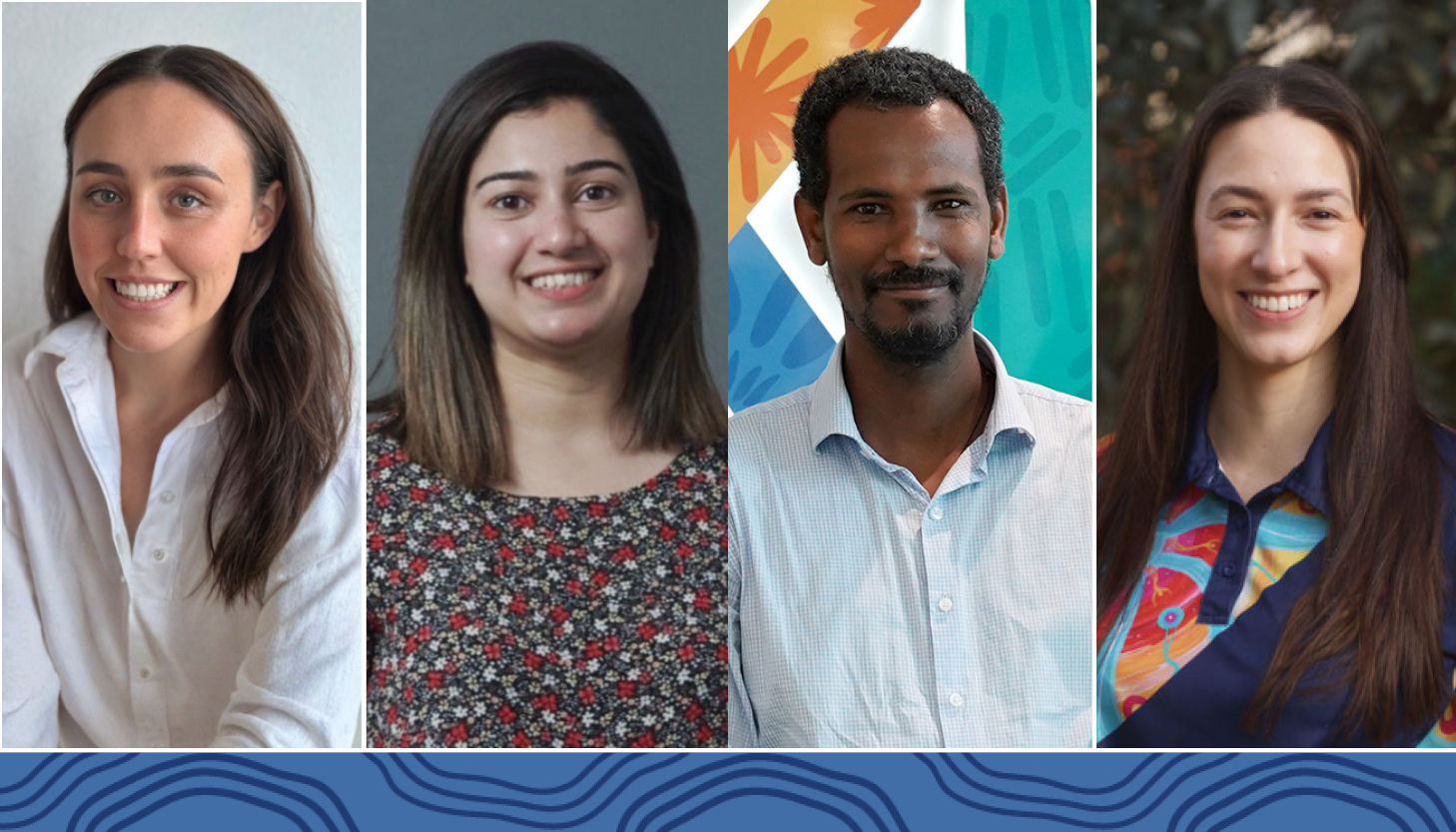
Congratulations to four outstanding early-career researchers from The Kids Research Institute Australia, who have been awarded BrightSpark Foundation fellowships and project funding for 2026.

Western Australia’s biggest and only medical research institute dedicated to improving kids’ health and wellbeing has rebranded to The Kids Research Institute Australia.
Invasive pulmonary aspergillosis remains a major cause of morbidity and mortality for immunocompromised children, particularly for patients with acute leukaemia and those undergoing haematopoietic stem cell transplantation. Timely diagnosis, using a combination of computed tomography (CT) imaging and microbiological testing, is key to improve prognosis, yet there are inherent challenges in this process. For CT imaging, changes in children are generally less specific than those reported in adults and recent data are limited.
Following reduction of public health and social measures concurrent with SARS-CoV-2 Omicron emergence in late 2021 in Australia, COVID-19 case notification rates rose rapidly. As rates of direct viral testing and reporting dropped, true infection rates were most likely to be underestimated.