
Search
CDKL5 deficiency disorder (CDD) is a rare developmental and epileptic encephalopathy. Greater understanding of the smallest meaningful improvements for individuals with CDD in clinical trials and practice is needed for a person-centred approach to treatment efficacy. This study explored how parent/caregivers of people with CDD understood meaningful improvements and described change for priority functional domains including communication, gross motor, fine motor, feeding.
dentifying the outcomes that matter in clinical research is important, especially those that matter to patients and their parents/guardians. Consistency in outcome reporting enables meaningful assessments of interventions and facilitates comparison of results across trials. The aim of this study was to develop core outcome sets for pediatric perioperative research.
Unhealthy outdoor food advertising is strongly linked to poor diet, highlighting the need for policies. Western Australian (WA) local governments can restrict advertising on their owned infrastructure through their Public Health Plans, but limited policy action has occurred.
Although evidence supports clinicians to "safely do less" for febrile infants assessed as low risk of serious bacterial infection (SBI), early discharge may increase caregiver concern and reduce satisfaction with care. We captured the self-reported satisfaction and concerns for families enrolled in the study of fever, blood cultures and readiness for discharge in infants less than 3 months old (FeBRILe3), a prospective safety assessment of early discharge of low-risk febrile infants, to aid evaluation of this practice.
School time represents a significant component of overall glycaemia for children with type 1 diabetes (T1D), and glucose levels during instructional time may be important for optimising academic progress. There is, however, limited literature regarding glycaemia during school hours. This study aimed to evaluate glucose levels during school in primary school-aged children with T1D in Western Australia (WA) and to compare these with non-school days.
Vancomycin is used to treat serious gram-positive infections in children; however, effective dosing information for those aged 3 months to 18 years is limited. We aimed to determine an optimized dosing strategy for this age group.
Chronic suppurative otitis media (CSOM), sometimes referred to as chronic otitis media, is a chronic inflammation and often polymicrobial infection (involving more than one micro-organism) of the middle ear and mastoid cavity, characterised by ear discharge (otorrhoea) through a perforated tympanic membrane.
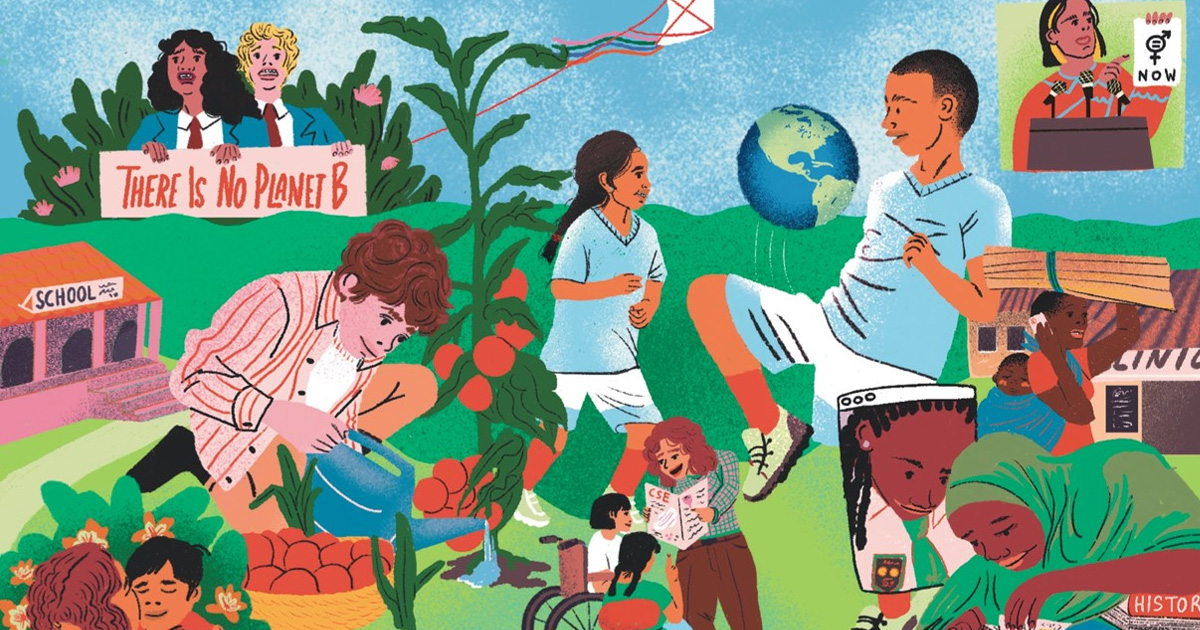
The health of the world’s 1.96 billion adolescents is at a critical tipping point.
Children are sometimes transported via fixed or rotary wing aircraft for medical care. If they are intubated with a cuffed endotracheal tube (ETT), changes in environmental pressure during transport can alter cuff pressure. Cuff management in this setting varies widely by region and by organization. In this historical review, we sought to delineate the evolution of ETT cuff management in children undergoing aeromedical retrieval in order to progress the field toward an optimum strategy in the future.
Desiree Silva MBBS, FRACP, MPH, PhD Co-Director, ORIGINS desiree.silva@thekids.org.au Co-Head, The ORIGINS Project Professor Desiree Silva is