
Search
Following reduction of public health and social measures concurrent with SARS-CoV-2 Omicron emergence in late 2021 in Australia, COVID-19 case notification rates rose rapidly. As rates of direct viral testing and reporting dropped, true infection rates were most likely to be underestimated.
The Australian and New Zealand Paediatric Infectious Diseases (ANZPID) Group of the Australasian Society for Infectious Diseases (ASID) calls for urgent consideration of the needs and voices of children in response to the COVID-19 pandemic, and in planning for future pandemics.
Our interdisciplinary team initiated a project to inform the COVID-19 vaccination programme. We developed a novel research co-creation approach to share emerging findings with government.
PICOBOO is a randomised, adaptive trial evaluating the immunogenicity and reactogenicity of licensed COVID-19 booster vaccines in immunocompetent individuals >12 years old. Here, we present data for seven different vaccines among three pre-specified participant strata defined by age and primary vaccine schedule.
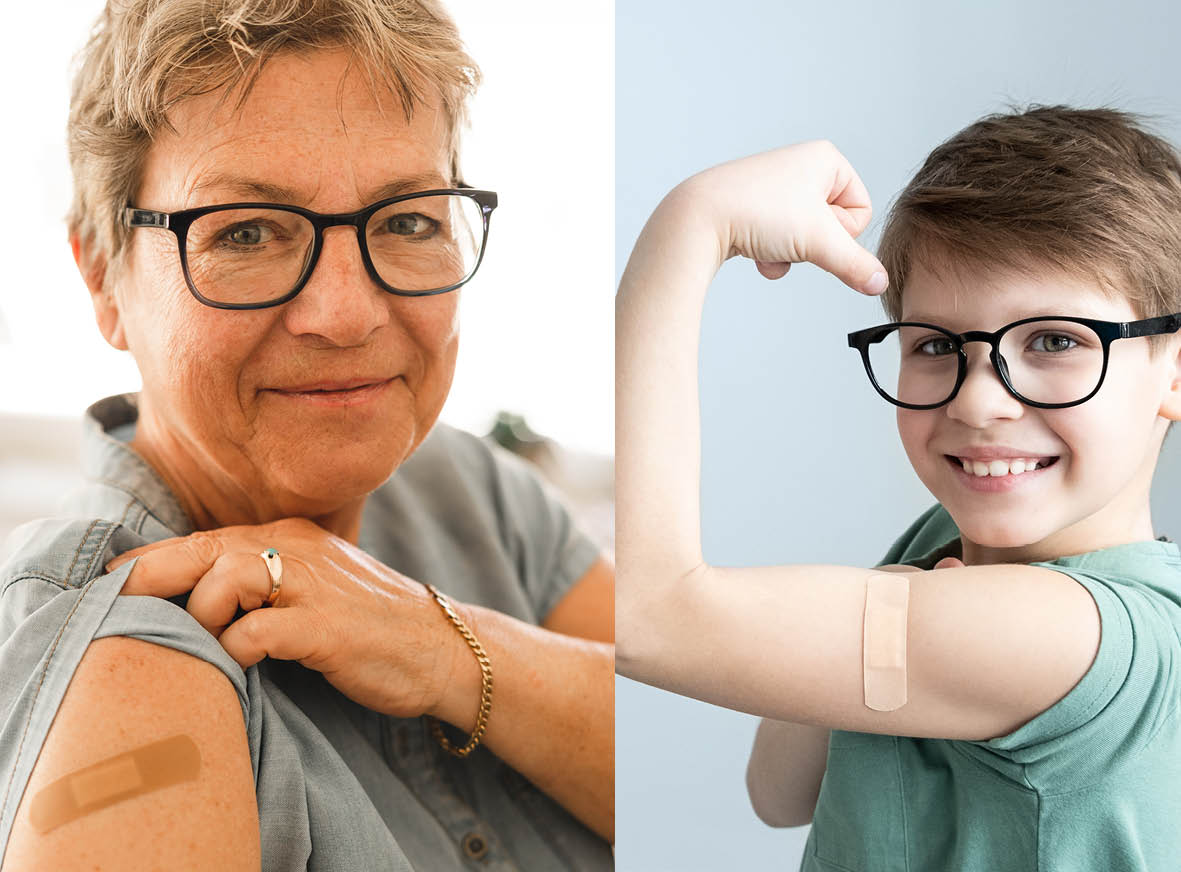
Optimising our national Covid-19 vaccine program could be one step closer thanks to new research now underway at The Kids Research Institute Australia investigating the most effective, long-term strategies for booster vaccinations.

Many parents may be feeling anxious and confused about what COVID-19 means for pregnant women, babies and children.

In an Australian-first study, researchers at The Kids Research Institute Australia are investigating the effects of COVID-19 on the wellbeing of more than 2,000 families in the northern suburbs of Perth, measuring their perceived stress, financial hardship and family functioning during the pandemic.
This cohort study examines whether there is a temporal association between SARS-CoV-2 infection and the development of islet autoimmunity among Australian children with a first-degree relative with type 1 diabetes.
Contact tracing is an important public health measure used to reduce transmission of infectious diseases. Contact tracers typically conduct telephone interviews with cases to identify contacts and direct them to quarantine, with the aim of preventing onward transmission. However, in situations where caseloads exceed the capacity of the public health system, timely interviews may not be feasible for all cases. Here we present a modelling framework for assessing the impact of different case interview prioritisation strategies on disease transmission.
During the coronavirus disease 2019 (COVID-19) pandemic, the infodemic has been highly visible. Vaccine-related advice and evidence-based guidelines for breastfeeding women have lagged, and, at times have been contradictory and confusing. Breastfeeding is an important public health issue with long-lasting health benefits for infants and mothers.