
Search
PTEN mutation occurs in a variety of aggressive cancers and is associated with poor patient outcomes. Recent studies have linked mutational loss of PTEN to reduced RAD51 expression and function, a key factor involved in the homologous recombination (HR) pathway. However, these studies remain controversial, as they fail to establish a definitive causal link to RAD51 expression that is PTEN-dependent, while other studies have not been able to recapitulate the relationship between the PTEN expression and the RAD51/HR function.
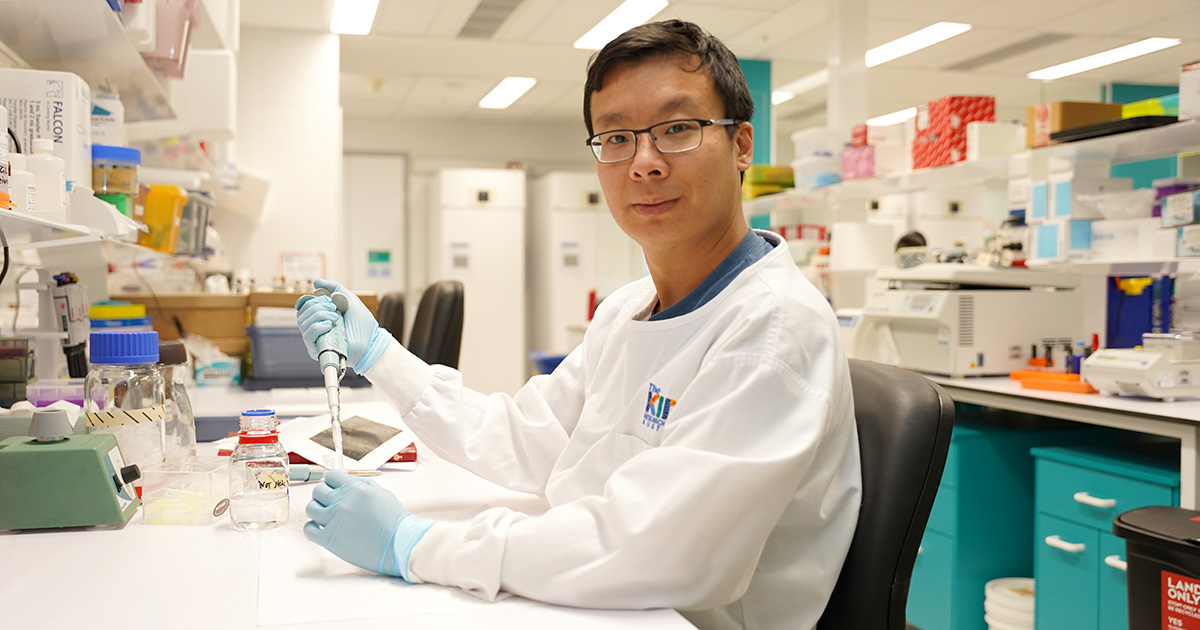
Preclinical research from the WA Comprehensive Kids Cancer Centre has revealed a promising new strategy to protect bone health in children with high-risk B-cell acute lymphoblastic leukaemia (B-ALL), showing that actively rebuilding bone may deliver faster and more effective protection against debilitating fractur
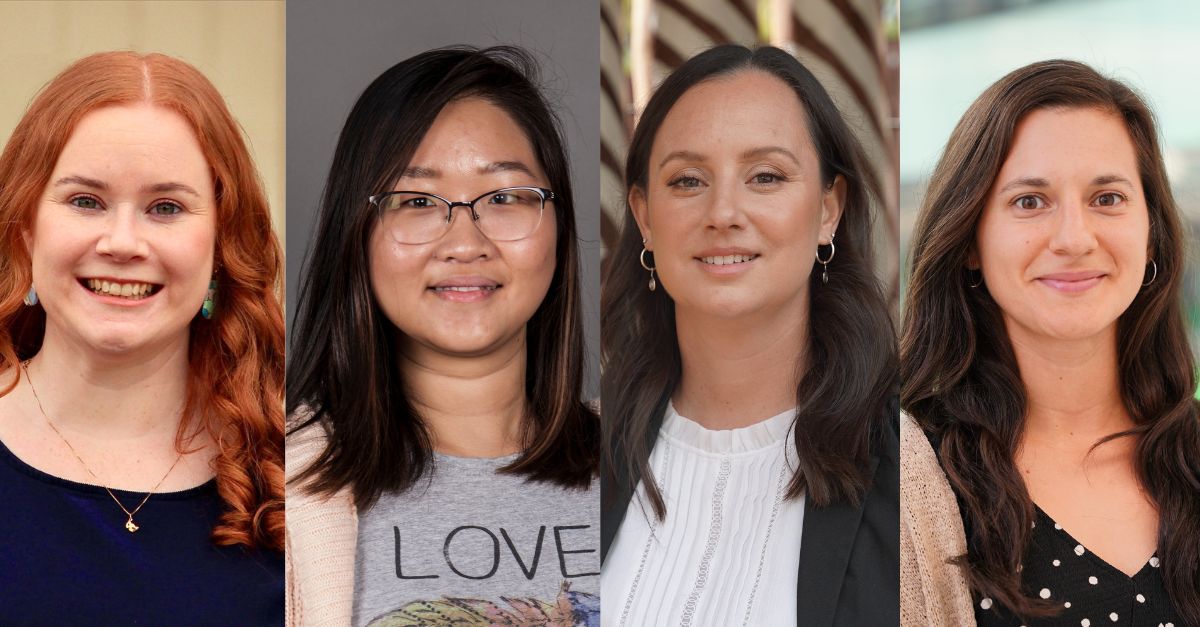
Valuable support from the Raine Medical Research Foundation’s 2025 grant round will power four new research projects at The Kids Research Institute Australia.
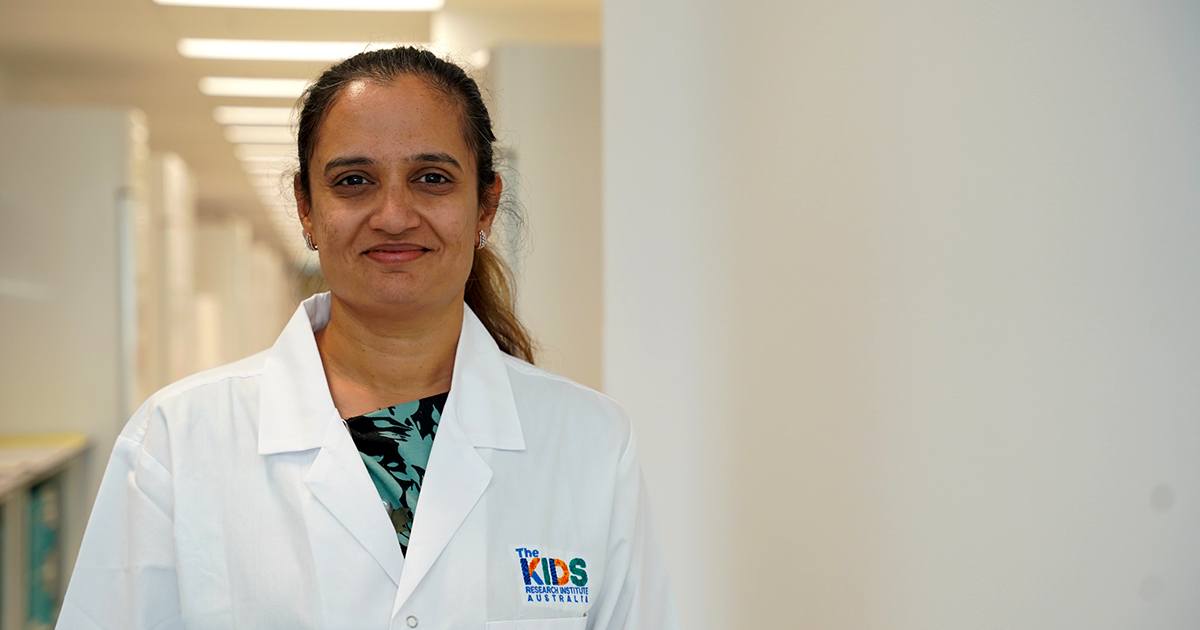
A landmark study led by Dr Hetal Dholaria, The Kids Research Institute Australia researcher and Perth Children’s Hospital Oncologist, has confirmed that a “wait and watch” approach for newborns diagnosed with neuroblastoma is not only safe, but effective over the long term.
Researchers from The Kids Research Institute Australia will share in almost $4 million in grants to continue groundbreaking research to tackle childhood cancer, asthma, respiratory viral infections and more.
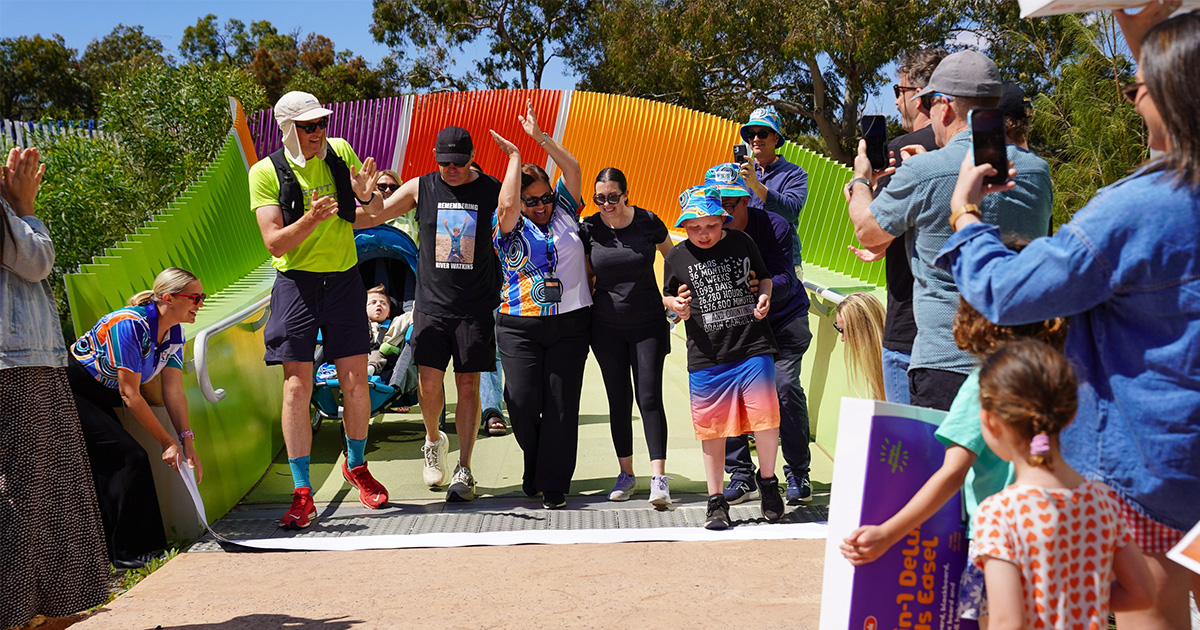
Our local legend, brain cancer researcher Jacob Byrne, has crossed the finish line of his final marathon, completing his Big Run for Little Brains - 30 marathons in 30 days, covering 1266km across Perth’s local government areas.
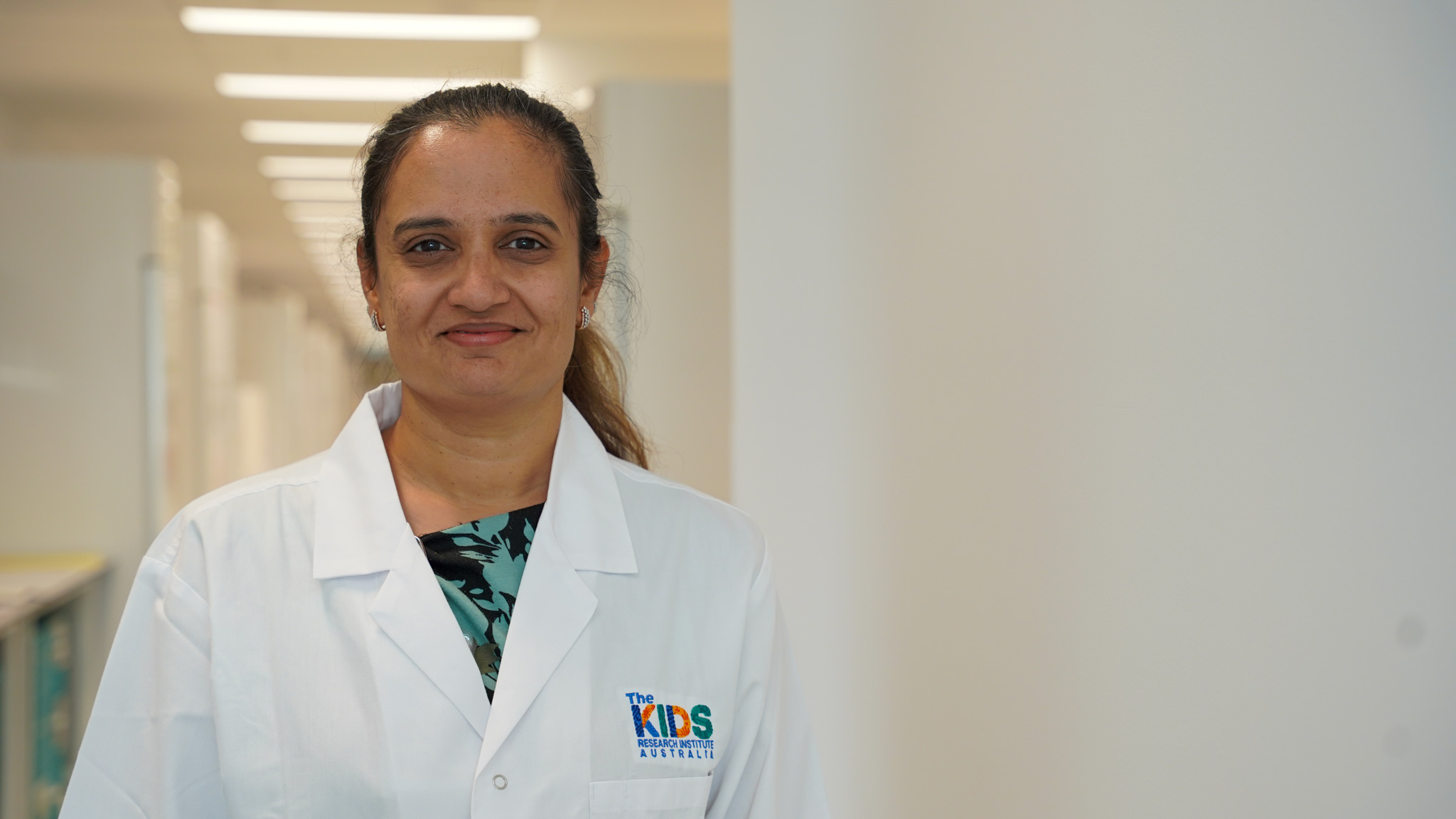
Each year in Australia, around 120 children are diagnosed with brain cancer, the leading cause of cancer-related death in young people.
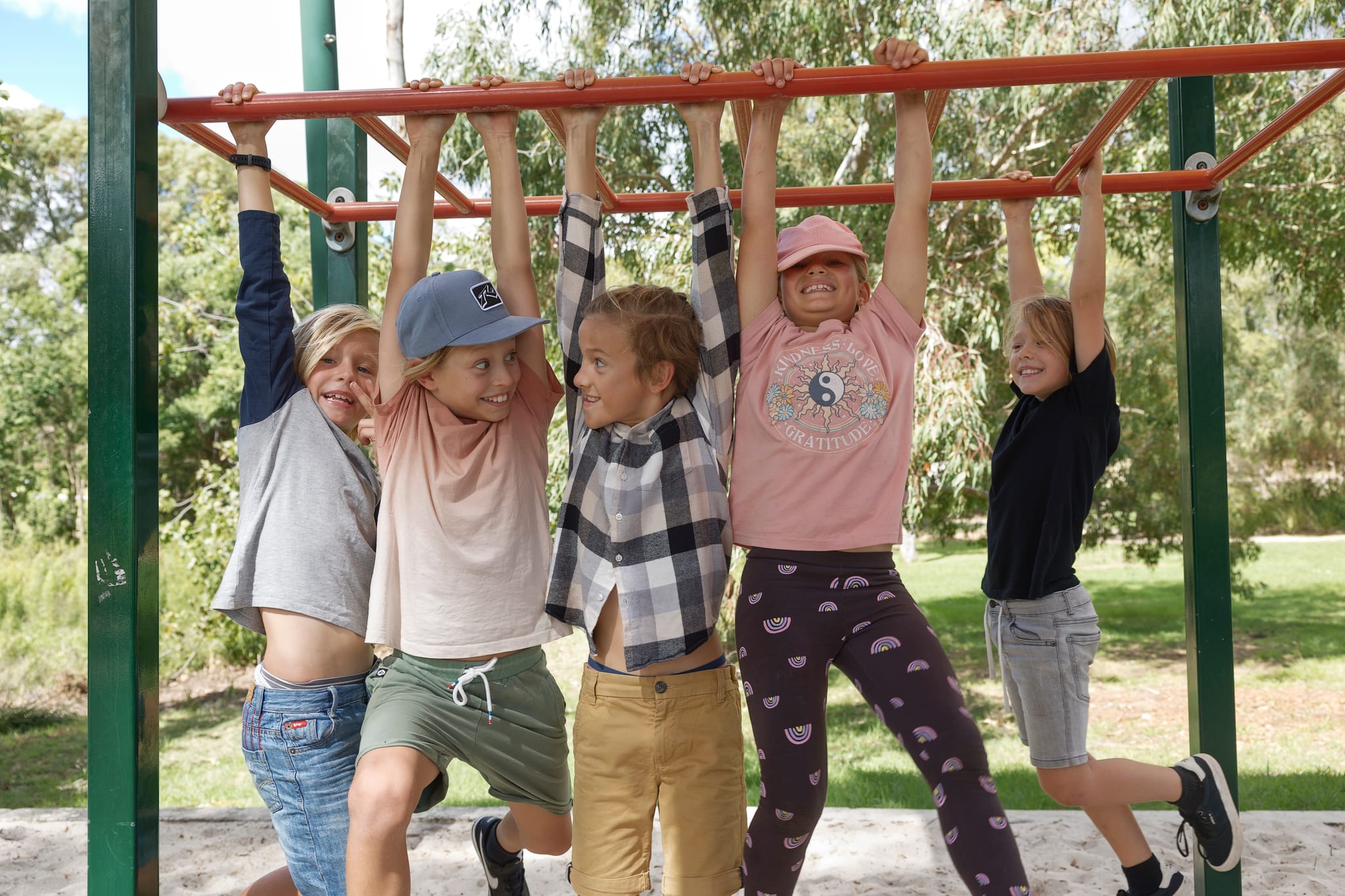
Projects to improve outcomes for leukaemia patients and reduce skin cancer rates in young Aboriginal people have received funding through Cancer Council WA.
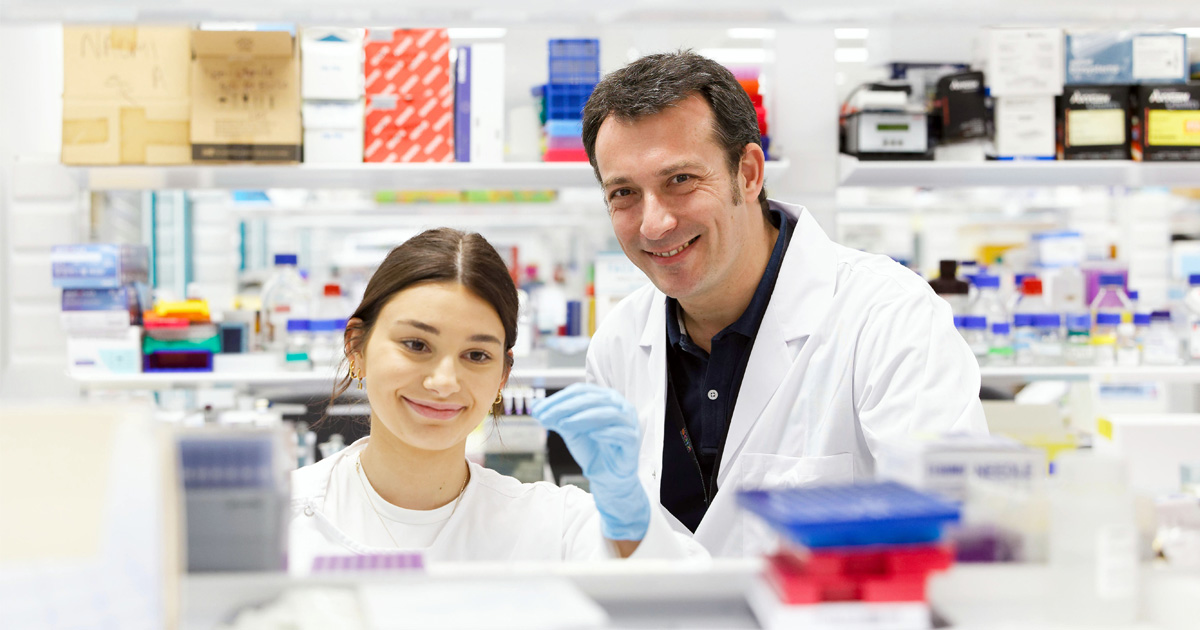
A team of world-leading scientists has secured $5 million in funding from the Leukaemia and Lymphoma Society to advance the fight against leukaemia in children with Down syndrome.

One of the researchers who helped crack the code of 10-year-old Northam girl Charlotte Patterson’s incredibly rare disease has received State Government funding that will allow her to use the same methods to rapidly assess the cases of hundreds more patients living with undiagnosed disease.