
Search
The airway mucosal epithelium is the main gateway of entry for numerous human respiratory viruses, including human influenza virus, respiratory syncytial virus, coronavirus, and rhinoviruses. For respiratory viruses to perpetuate infection, they must be able to traverse the airway mucosal epithelium and then spread into distal sites of the respiratory tract and lung parenchyma.
Risk factors for non-communicable diseases (NCDs, cardiovascular diseases, cancers, chronic respiratory diseases, diabetes, and mental disorders) arise in adolescence but are mostly framed as relevant to health in adulthood; little is known about the relationship between co-occurring NCD risks and mental wellbeing in young people.
Nasal epithelial cells from young adults with a history of very preterm birth show delayed closure following scratch-wounding. Repair correlated with lung function, suggesting epithelial barrier integrity may play a role in preterm-associated lung disease.
Multiple breath washout is a lung function test based on tidal breathing that assesses lung volume and ventilation distribution. The aim of this analysis was to use the Global Lung Function Initiative methodology to develop all-age reference equations for the multiple breath washout indices lung clearance index and functional residual capacity.
Chronic obstructive pulmonary disease (COPD) is a complex disorder with a high degree of interindividual variability. Gastrointestinal dysfunction is common in patients with COPD and has been proposed to influence the clinical progression of the disease. Using the presence of bile acid(s) (BA) in bronchoalveolar lavage (BAL) fluid as a marker of gastric aspiration, we evaluated the relationships between BAs, clinical outcomes and bacterial lung colonisation.
From the results of well-performed population health studies, we now have excellent data demonstrating that deficits in adult lung function may be present early in life, possibly as a result of developmental disorders, incurring a lifelong risk of obstructive airway diseases such as asthma and chronic obstructive pulmonary disease.
Many survivors of preterm birth will have abnormal lung development, reduced peak lung function and, potentially, an increased rate of physiological lung function decline, each of which places them at increased risk of chronic obstructive pulmonary disease across the lifespan.
Citation: Wang KCW, Elliot JG, Saglani S, et al. The airway smooth muscle layer is structurally abnormal in low birth weight infants: implications
Pneumonia is the leading cause of death in young children globally and is prevalent in the Papua New Guinea highlands. We investigated clinical predictors of hypoxic pneumonia to inform local treatment guidelines in this resource-limited setting.
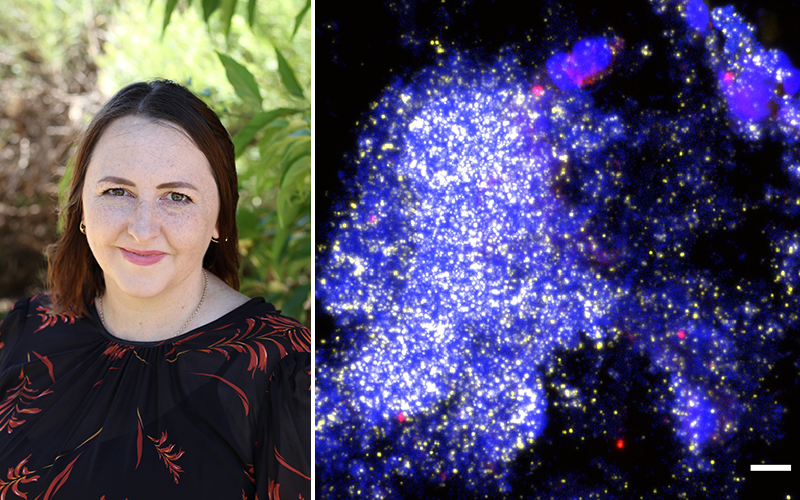
Researchers using powerful microscopes have identified bacterial slime in the lungs of some children with persistent wet coughs.