
Search
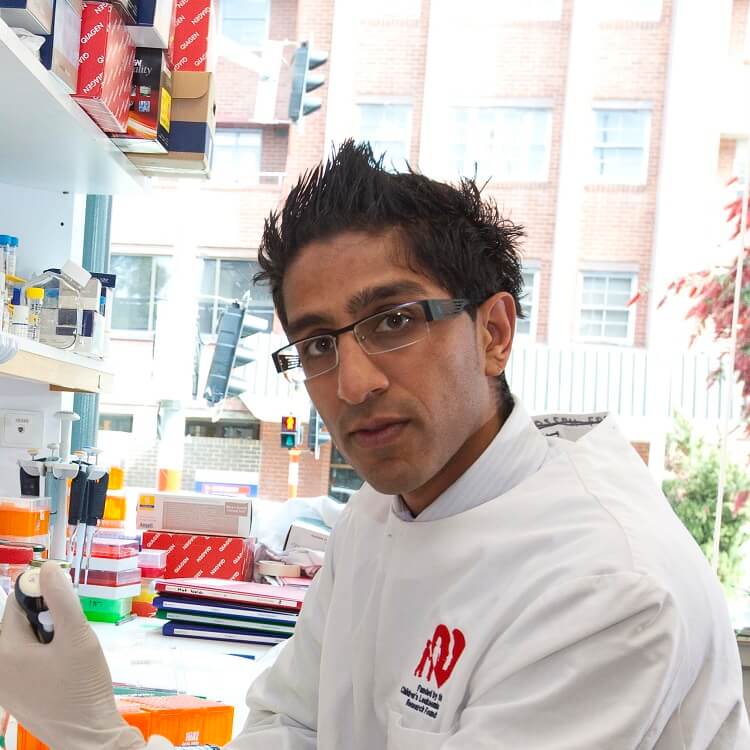
The Australian arm of an international clinical trial looking at improved treatments for young babies with leukaemia has been awarded funding from the MRFF.

Four The Kids Research Institute Australia researchers are among those who have received funding in the WA State Government's Merit Award Program announced today.
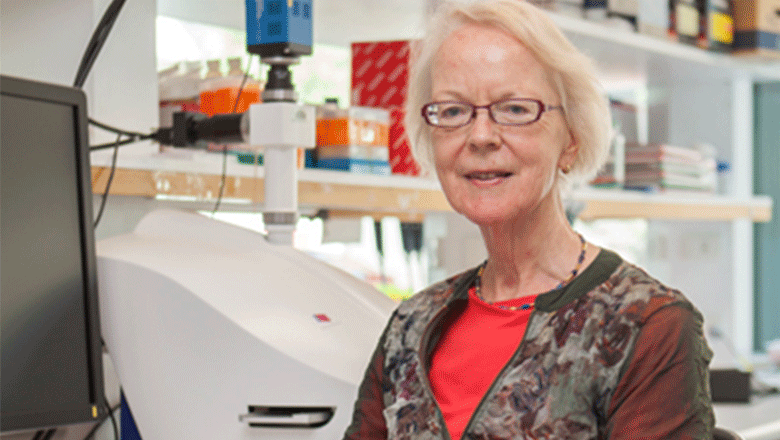
Researchers at The Kids Research Institute Australia have discovered a new drug combination that could help improve survival rates for babies with leukaemia.

Congratulations to three The Kids Research Institute Australia researchers, who have been awarded funding from the Raine Medical Research Foundation.
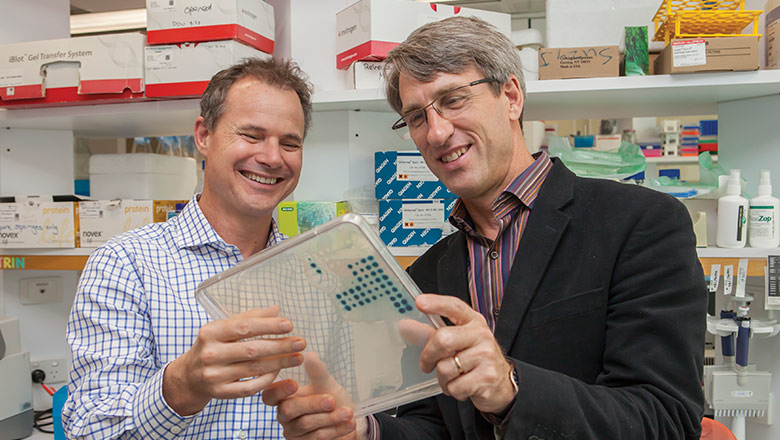
The Drug Discovery Unit has been finding ways for smart drugs to penetrate deep into cells and attacking their disease targets while causing fewer side effects
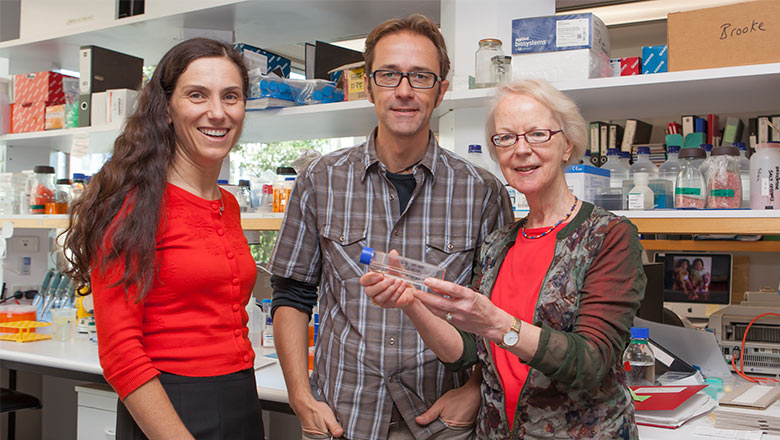
It is now known that the HOX11 gene is permanently activated in the leukaemia cells and it drives the disease.
Melanoma, also known as malignant melanoma, occurs when abnormal skin cells multiply rapidly in an uncontrolled way.
Brain tumours are the second most common cancer in children (after leukaemia).
Rishi S. Kotecha MB ChB (Hons) MRCPCH FRACP PhD Co-Head, Leukaemia Translational Research rishi.kotecha@health.wa.gov.au Co-Head, Leukaemia
Allogeneic hematopoietic stem cell transplant (HSCT) is a proven curative therapy for children with high-risk myeloid malignancies. Disease relapse, transplant-related mortality and graft versus host disease (GvHD) are the main causes of treatment failure and death post-transplant. The optimum pretransplant conditioning regimen is yet to be defined. There is limited data regarding the use of busulfan, fludarabine and melphalan as a myeloablative conditioning regimen in children receiving HSCT for myeloid malignancies.