
Search
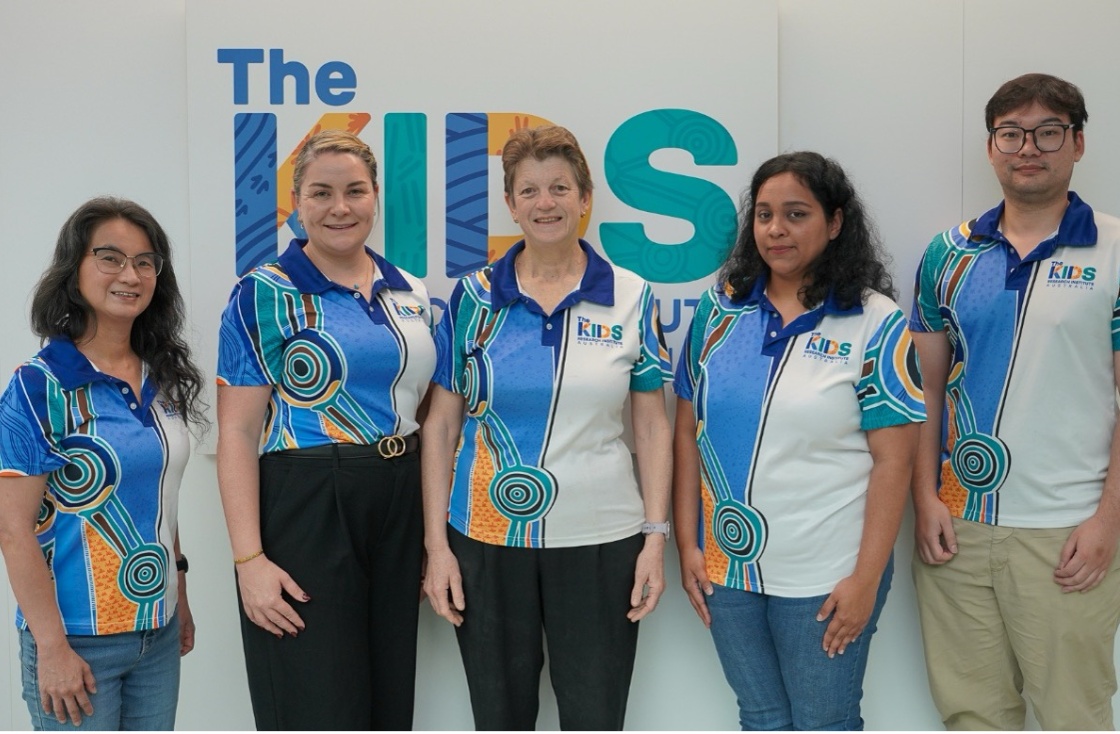
Meet the team behind the CIRCA DIEM study.
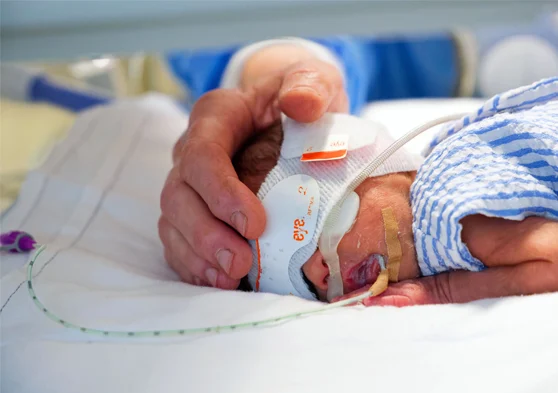
The CIRCA DIEM Trial Steering Committee provides independent oversight and strategic guidance for the study.
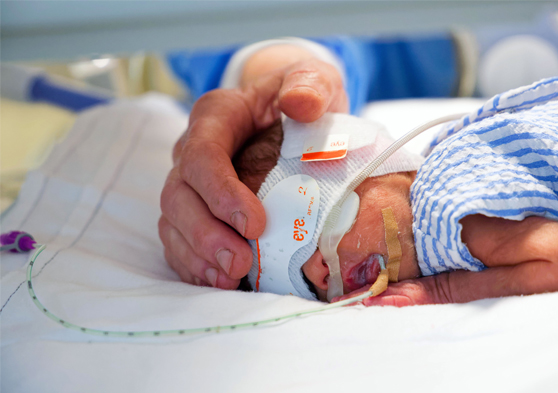
A sub-study is an ‘add-on’ study that helps to answer specific questions within a larger research project. If you decide to participate in the CIRCA DIEM study, you or your child may be invited to take part in one of the CIRCA DIEM sub-studies.
The CIRCA DIEM study aims to establish if cycling environmental light and noise levels for premature infants during their initial hospital stay leads to earlier development of circadian (daily) rhythms and better outcomes for the preterm babies, including improved brain development.

Head, Developmental Chronobiology
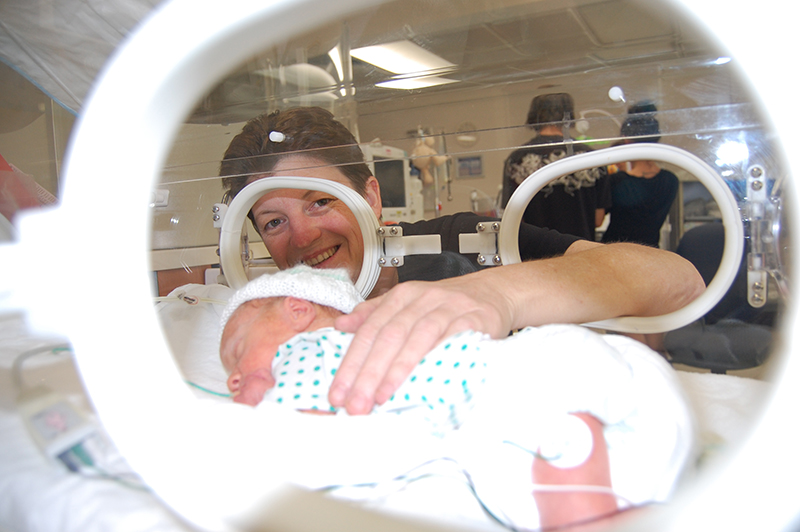
The Chronobiology team works to understand the factors that contribute to poor lung and heart function in newborn infants and find ways to prevent heart and lung disease.
Graham Jane Shannon Hall Pillow Simpson BAppSci PhD CRFS FANZSRS FThorSoc FERS BMedSci (Dist) MBBS, PhD (Dist) FRACP BMedSci (hons), PhD Honorary
The pathogenesis of acute rheumatic fever (ARF) is poorly understood, limiting the development of immune-modulating therapies to treat disease and prevent progressive heart damage. Here, participants with definite ARF were compared to other severe acute paediatric conditions and matched healthy controls by profiling circulating immune molecules and cells to inform disease mechanisms and potential druggable pathways.
High frequency ventilation (HFV) in neonates has been in use for over forty years. Some early HFV ventilators are no longer available, but high frequency oscillatory ventilation (HFOV) and jet ventilators (HFJV) continue to be commonly employed. Advanced HFOV models available outside of the United States are much quieter and easier to use, and are available as options on many conventional ventilators, providing important improvements such as tidal volume measurement and targeting.