
Search
This article considers the role of governance in Indigenous medical education research through the lens of an Australian Aboriginal research project titled Healing Conversations. The Healing Conversations project is developing and testing a targeted educational framework for improved clinical communication between healthcare practitioners and Australian Aboriginal peoples in regional and urban locations. It is proposed that an effective governance approach can support Indigenous and non-Indigenous stakeholders to work together in decision-making structures to enable outcomes that promote and prioritise Indigenous worldviews and values in medical education research.
The emerging literature on desistance (and recovery from addictions) has focused on key life-course transitions that can be characterised as the need for jobs (meaningful activities), friends (transitioning to pro-social) and houses (a home free from threat). The term ‘recovery capital’ is used to characterise personal, social and community resources an individual can draw upon to support their recovery, partly bridging agentic (personal) and structural (community) factors.
The Australasian guidelines recommend use of the CHA2 DS2 -VA schema to stratify ischaemic stroke risk in patients with non-valvular atrial fibrillation (N-VAF) and determine risk thresholds for recommending oral anticoagulant (OAC) therapy. However, the CHA2 DS2 -VA score has not been validated in a representative Australian population cohort with N-VAF, including in Aboriginal people who are known to have a higher age-adjusted stroke risk than other Australians.
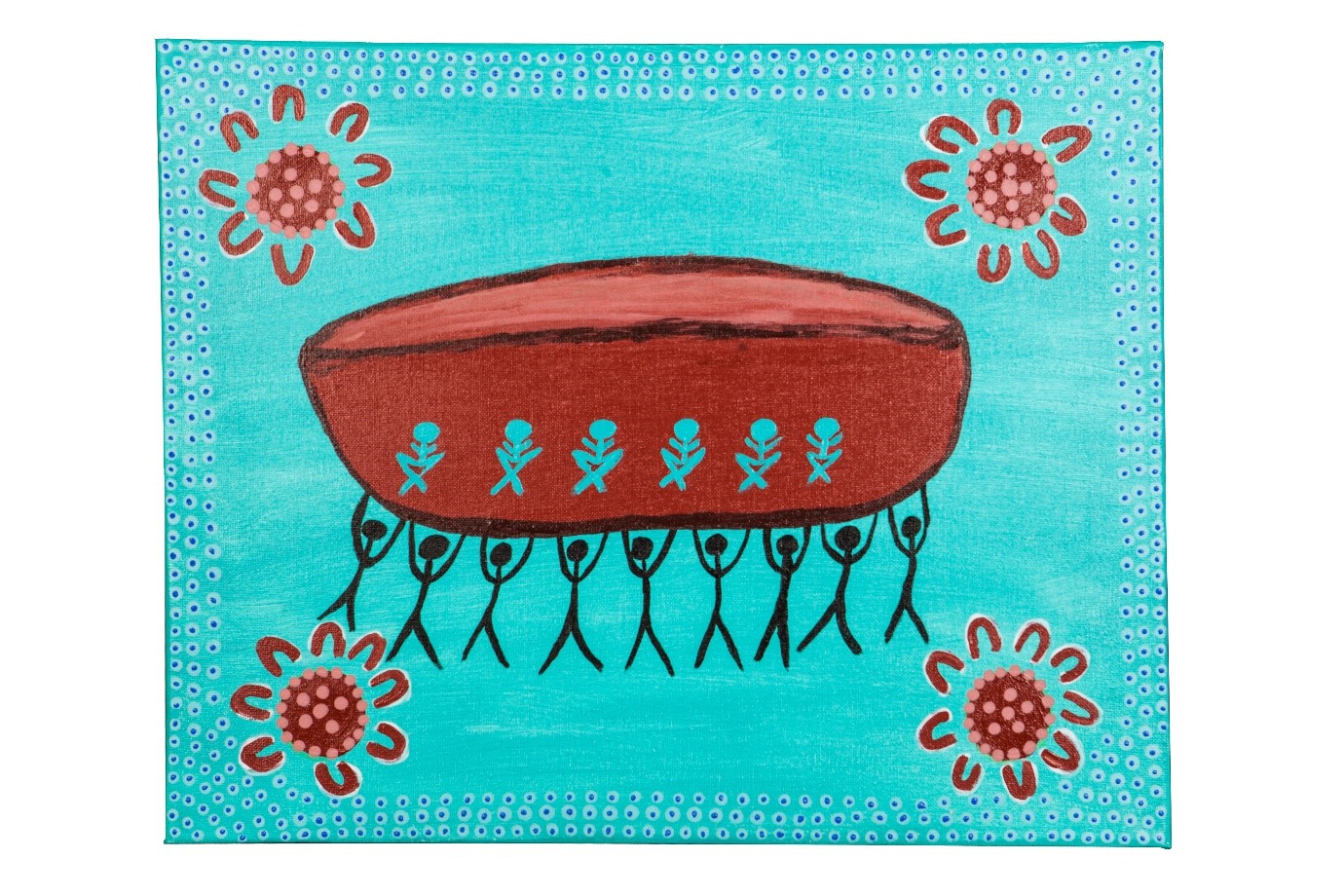
Brings the Aboriginal community(s) of Perth together with service providers & policy makers to improve outcomes for Aboriginal kids and their families.
This paper explores the meaning of these seven domains of social and emotional well-being.
Indigenous Australians are much more likely to die from Rheumatic Heart Disease than other Australians.
Early intervention services are needed to support developmentally vulnerable children in remote communities.
Acquired communication disorders (ACD), following stroke and traumatic brain injury, may not be correctly identified in Aboriginal Australians
This article details the application of the participatory action research approach by the National Empowerment Project, Aboriginal community-based researchers.
Conserved vaccine candidate proteins from S.pneumoniae induce serum and salivary antibody responses in Aboriginal and non-Aboriginal children with history of OM