
Search
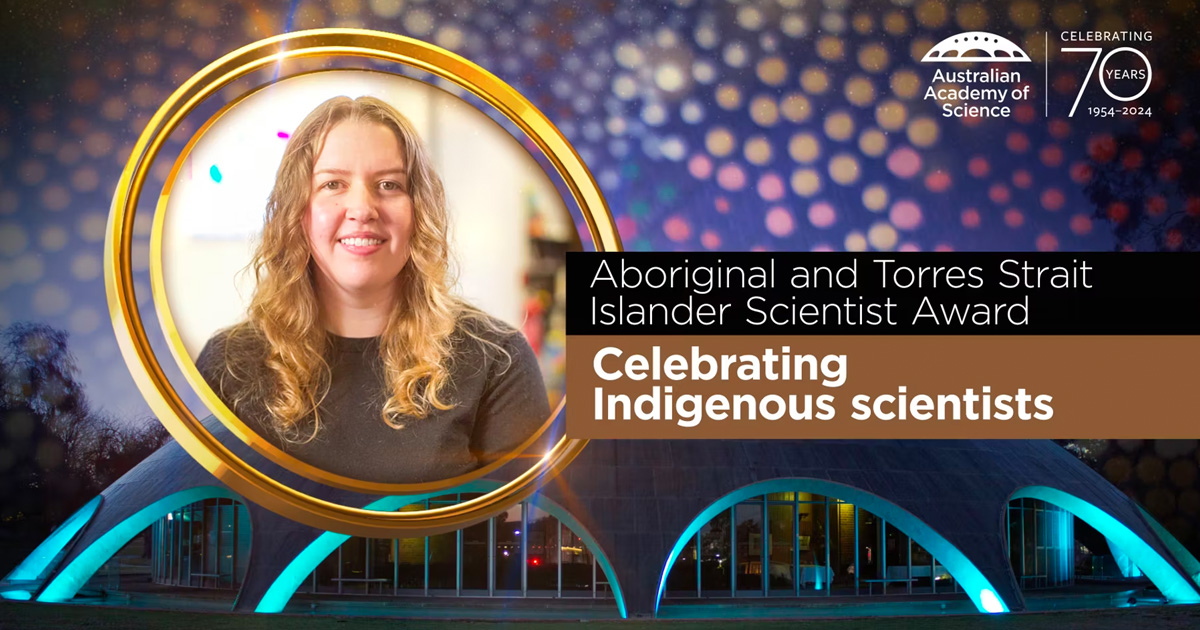
Congratulations to Indigenous genomics researcher Dr Justine Clark, who is one of two scientists nationally to receive the Australian Academy of Science’s 2024 Aboriginal and Torres Strait Islander Science Award.

A researcher's work from 20 years ago has helped to crack one of biology’s biggest mysteries.
Down syndrome, the most common genetic disorder, is caused by the presence of all or part of a third copy of chromosome 21. We identified the top 10 patient and carer research priorities for children with Down syndrome.
Despite advances in immunotherapy, metastatic melanoma remains a considerable therapeutic challenge due to the complexity of the tumor microenvironment. Intratumoral type I interferon (IFN-I) has long been associated with improved clinical outcomes. However, several IFN-I subtypes can also paradoxically promote tumor growth in some contexts.
The interaction of genetic and environmental contributions to immunological traits and their association with atopic disease remain unclear. Flow cytometry and in vitro cytokine responses were used to characterize immune profiles from 93 school-aged twin pairs. Using an established twin pair analytical strategy, the genetic and environmental influences on immunological traits were evaluated, along with their association with atopy. Our findings suggest strong genetic influence on several traits, particularly B cell abundance. In contrast, cytokine responses from in vitro stimulations appeared mainly shaped by environmental exposures.
Type-2 diabetes is a systemic condition with rising global prevalence, disproportionately affecting Indigenous communities worldwide. Recent advances in epigenomics methods, particularly in DNA methylation detection, have enabled the discovery of associations between epigenetic changes and Type-2 diabetes. In this review, we summarise DNA methylation profiling methods, and discuss how these technologies can facilitate the discovery of epigenomic biomarkers for Type-2 diabetes.
In this review, we provide an overview of food allergy genetics and epigenetics aimed at clinicians and researchers. This includes a brief review of the current understanding of genetic and epigenetic mechanisms, inheritance of food allergy, as well as a discussion of advantages and limitations of the different types of studies in genetic research.
The specific role of chromatin modifying factors in the timely execution of transcriptional changes in gene expression to regulate organ size remains largely unknown. Here, we report that in Drosophila melanogaster depletion of the histone demethylase dLsd1 results in the reduction of wing size. dLsd1 depletion affects cell proliferation and causes an increase in DNA damage and cell death.
Multi-omics in combination with advanced computational methodologies synthesizes diverse omics data to provide deeper insights into molecular interactions and offers transformative potential for unravelling phenomenon behind disease complexities, improving diagnostics, disease prevention, and personalized treatments. This integrative strategy enables our understanding of gene-environment relationships, chronic disease progression, and the intricate molecular pathways involved in health.
The ability to balance conflicting functional demands is critical for ensuring organismal survival. The transcription and repair of the mitochondrial genome requires separate enzymatic activities that can sterically compete, suggesting a life-long trade-off between these two processes.